
PROFESSIONAL PAINTERS LONDON
House painters in London.
Make room for home.
A hallway that has taken a few knocks. A bedroom that never quite felt right. A living room ready for something warmer. Domestic painting starts with the way you want your home to feel, then works back to the surfaces, preparation and practical arrangements needed to get there. Tell us what you would like changed and what you would prefer to keep.
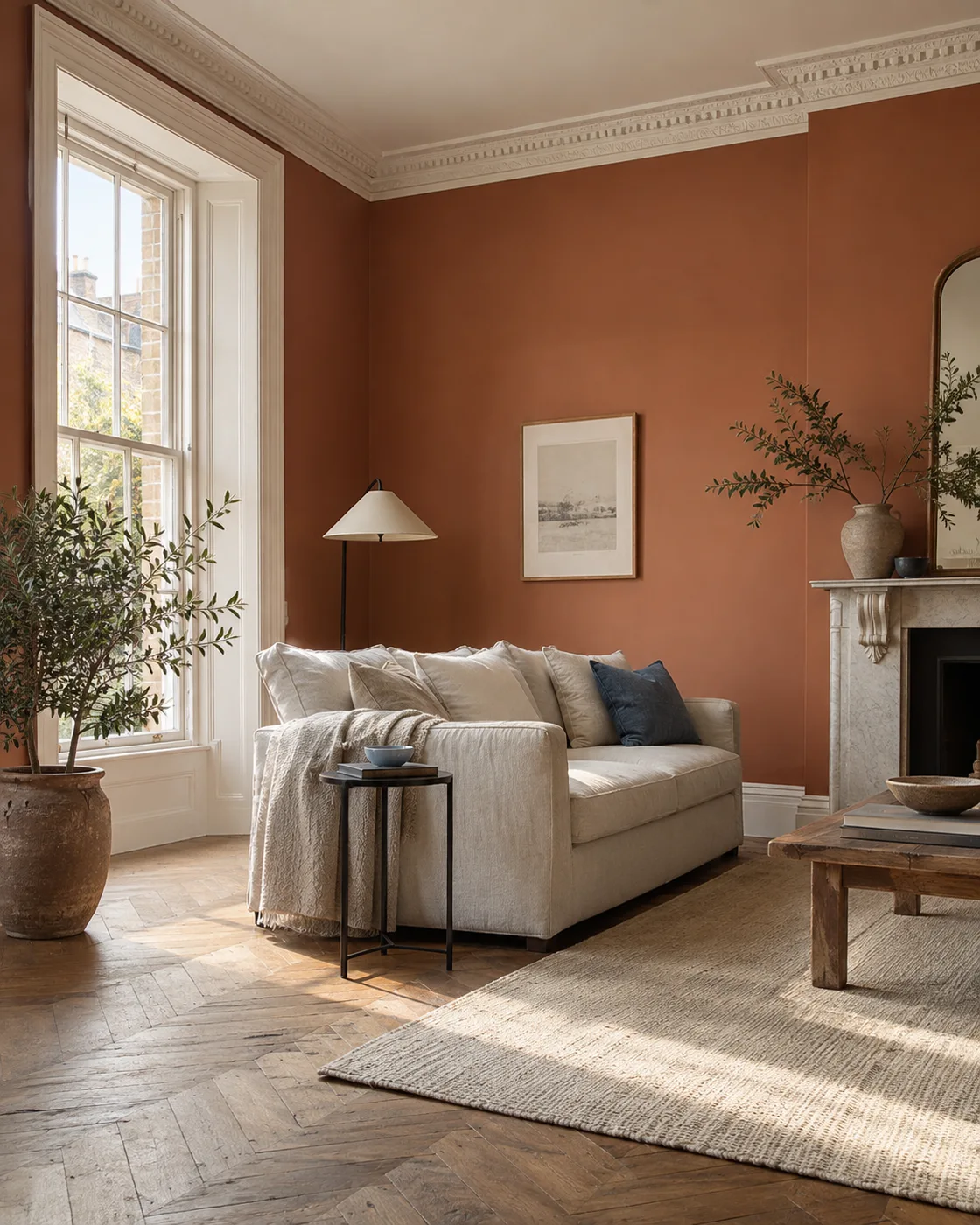
A home refresh that fits the job you have in mind
There is no need to turn a small painting job into a whole-house project. You may want one room repainted, a set of internal doors refreshed or a tired ceiling brought back into line with the rest of the room. Equally, if several rooms need attention, it helps to plan them together rather than make separate decisions as the work moves through the house.
Walk through your home and make two lists: the work you need now, and the changes you would like if the budget allows. Include the woodwork as well as the walls. That gives the survey a useful starting point and makes it easier to compare a focused refresh with a broader decorating plan.
Living in the property while painting takes place
Painting a lived-in home needs a little give and take. Think about the rooms you use most, whether anyone works from home and which routes must stay clear. A spare room may be a sensible place to begin, while a hallway or kitchen needs closer discussion because everyone depends on it.
Tell us about pets, children, deliveries and any times when noise or access would be difficult. We can discuss a sequence for the work rather than assume the entire property will be available at once. The final arrangement depends on the scope, preparation and drying time, so agree it before clearing rooms or making other bookings.

Preparation is part of the finish
New paint does not make an uneven surface disappear. Old fixing holes, loose paint, damaged edges and marks need to be looked at before a finish is chosen. Explain any areas that have been patched previously, and point out staining or damp rather than simply asking for it to be covered.
Your quote should make the preparation clear. Ask what is included, what requires further attention and how the furniture and floor will be protected. Some items can be moved; others may need to stay in the room under covers. Agree who will deal with belongings, curtains and wall-mounted fittings so there is no uncertainty on the first morning.
Choosing colour without losing sight of the room
A colour that looks lovely on a small card can feel quite different across a wall. Look at samples beside your flooring, furniture and curtains, and check them in daylight and under the lamps you actually use. A warm white can read differently beside a cool floor; a deeper shade can change the balance between a wall and its woodwork.
You do not have to decide everything before speaking to us. Bring a shortlist, a reference photograph or simply an explanation of what is not working in the current room. Discuss the finish as well as the shade. Walls, doors and skirting boards have different demands, and the choice should suit how each surface is used.
For homeowners, tenants and landlords
The person arranging the decorating is not always the person living in the property. If you are a tenant, check permission for changes with the owner before choosing a new colour. If you are a landlord, make access arrangements with the occupier and be clear about which rooms and surfaces are included.
For an empty property, coordinate painting with cleaning, flooring and any other work. It is usually better to discuss the order before several trades are booked for the same space. Tell us if keys will be held elsewhere or if a managing agent needs to arrange access. These small details make the survey and the work itself easier to organise.
Getting a useful domestic painting quote
Start with your address, the number of rooms and the surfaces you want painted. Photographs can help explain a problem, but the onsite survey is the opportunity to see the condition properly and confirm the job. If you have chosen a paint or already bought materials, mention that early.
Compare quotations by what they include, not just the final figure. Preparation, ceilings, doors, skirting boards and furniture arrangements can change the amount of work considerably. Ask which materials are included and how additional work would be discussed if something unexpected is found. A clear scope is more useful than a quick price for a room that has not been properly described.
Before the last cover comes off
Take time to look over the completed work with the team. Check the agreed surfaces, the edges around woodwork and the areas that were highlighted during the survey. If something needs attention, raise it while everyone is still looking at the same part of the room.
Ask about drying and when you can move furniture back against the walls or hang pictures again. The paint and conditions matter, so a simple rule for every room is not always helpful. Keep a note of the colour and finish used; it makes any future touch-up or adjoining room project easier to discuss.
Questions before you book.
Can you paint just one bedroom?
Yes. Discuss a single-room job as well as a larger home refresh. Include the ceiling and woodwork if you want them considered in the same quote.
Will I need to move out?
That depends on the rooms, preparation and your household arrangements. Talk through access and the sequence of work during the survey rather than assume it is necessary.
LET’S TALK ABOUT YOUR PROPERTY
A clear plan.
Starts with a call.
Tell us about your postcode, your rooms and the finish you have in mind.
Arrange a free onsite quote.