
PAINTING & DECORATING · NORTH LONDON
Painters in North London.
A considered refresh.
A single bedroom, a connected hallway or several rooms needing a fresh palette: the property comes first in a North London painting enquiry. Tell us the postcode, the surfaces and the changes you want. We can discuss the right scope, check availability and arrange a survey without assuming every home or workspace needs the same treatment.
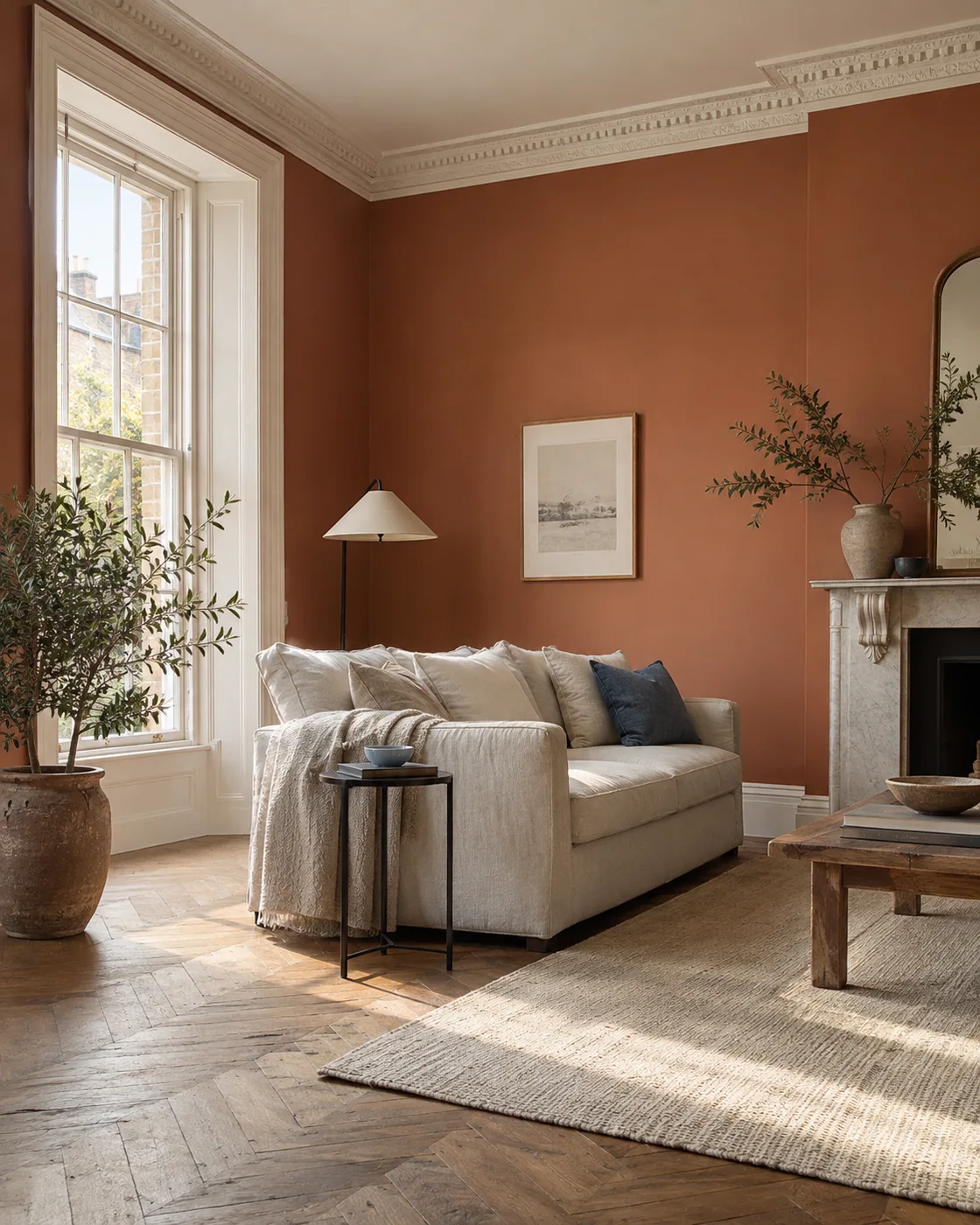
Make a room list before a colour list
Begin with the spaces you actually want changed. Include the walls, ceilings and woodwork in each, then note the conditions that need a closer look. Some rooms may be ready for a straightforward refresh; others may have earlier repairs or access arrangements that affect the work.
Use the region pages to find a starting point, not as a substitute for describing your address. North London covers many different properties, and the room’s actual condition matters more than a broad label. A clear call about the job makes the survey useful and gives the quotation something concrete to reflect.
Bring a larger project back to individual rooms
For a whole-property refresh, list the rooms and the surfaces in each instead of treat the house as a single painting task. Some spaces may need a colour change while others only need the existing finish renewed. Give the preparation and woodwork their own attention so the quote can reflect those differences.
Then look at the sequence. Explain which rooms must remain available and how access between them works. A larger job is easier to organise when the brief is broken down sensibly, even where the overall aim is a coherent palette throughout. Keep room-specific choices alongside the wider colour plan.
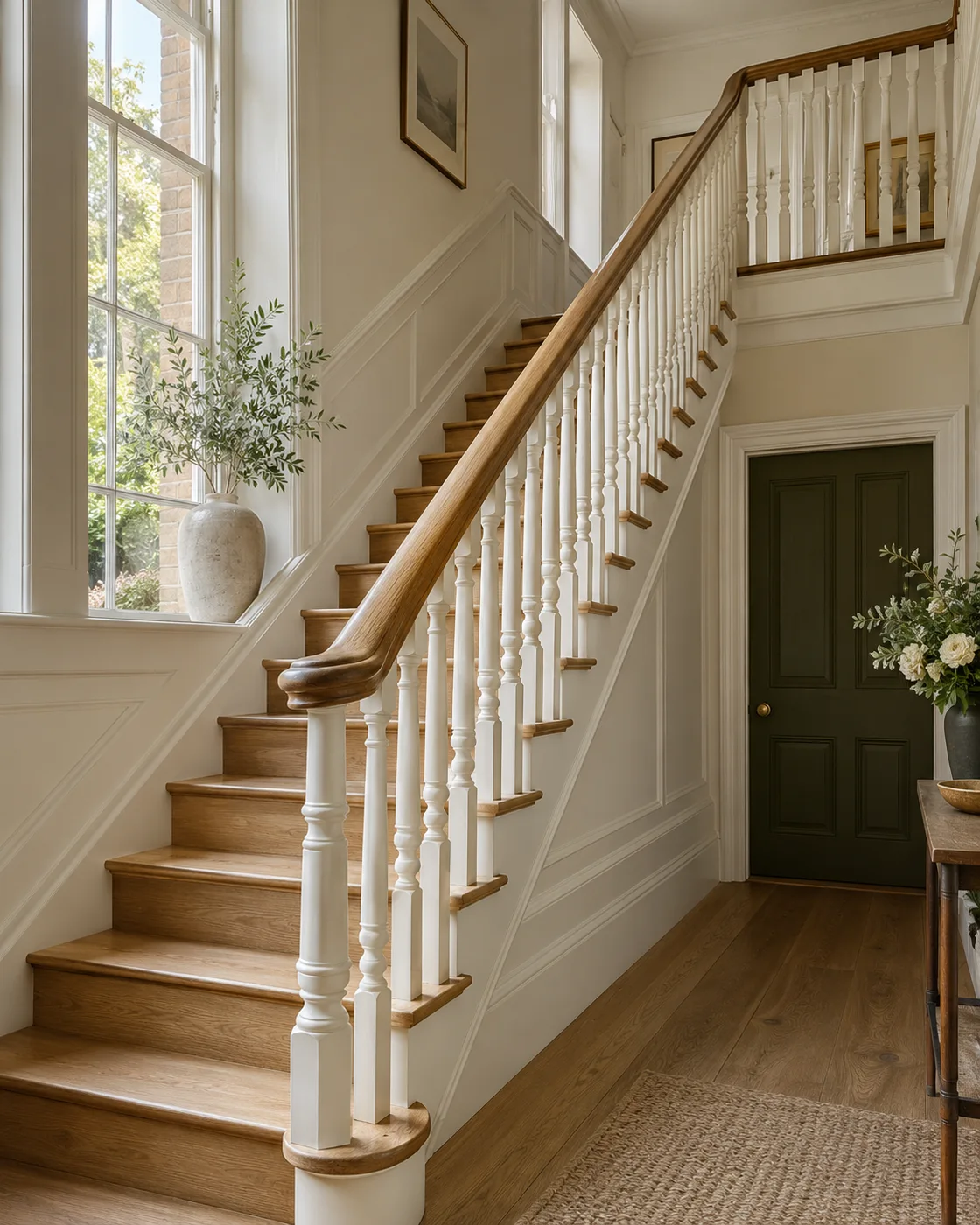
Think about the connecting spaces
When more than one room is involved, look at how they are connected. A hallway, landing or doorway can affect access while another room is being painted. Explain the routes that the household or business must continue using and any furniture that needs to move through them.
Ask for the work to be sequenced around those practical needs. It is not always helpful to start everywhere at once. Keep the scope clear for each space, including the ceilings and woodwork, so the order can be planned without discovering halfway through that a connecting surface was meant to be included too.
Give the edges of the room some thought
Skirting boards, door frames and other woodwork can either bring a room together or make a fresh wall colour look unfinished. Include the parts you want painted and identify any timber you would prefer to leave as it is. A blanket instruction to do the room may not explain that distinction.
Discuss the finish separately from the wall paint. The appearance and everyday use of a door or frame differ from those of a broad wall surface. If the existing coating is worn or has been repainted many times, show it during the survey so its condition can be considered before the new finish is agreed.
Keep the household’s routine in view
An occupied home needs a working arrangement that makes sense for the people there. Tell us which rooms are used for sleeping, meals or work, and whether any route must remain clear throughout the day. The order of the rooms can matter as much as the colour choices.
Discuss pets, children and periods when access is difficult. Ask what needs to be moved before work starts and what can be protected in position. A realistic plan allows for preparation and drying as well as painting. It is better to settle that sequence before clearing several rooms at once or booking work around assumptions.
Compare the scope, not only the figure
A useful quote tells you which rooms and surfaces are included, the preparation being allowed for and how materials are handled. Check it against your own list. A price for walls alone is not directly comparable with one covering ceilings, doors, skirting boards and more extensive preparation.
Ask about exclusions and how a change would be discussed if the work develops. Keep the agreed scope with the schedule and access arrangements. If the budget calls for a narrower job, explain the priority areas rather than quietly remove preparation from consideration. A smaller clear project is better than a larger one nobody has properly defined.
Keep the shortlist manageable
If you have gathered many paint references, choose a few that explain a consistent direction. Write down what you like about each: its warmth, the contrast with woodwork or the balance between a wall and the ceiling. You do not have to want an entire photographed room to find one useful detail in it.
Then use actual samples for the final choice. Screens and photographs are good starting points, but your room has its own light and existing materials. Settle the decision in time for the agreed material arrangements and keep the details so a later question about the shade does not depend on memory.
Questions before you book.
Do you cover my address in North London?
Call with your postcode and the work you want considered. Appointment availability and the scope are confirmed for your property rather than assumed from a regional heading.
Where should I start if I only need one room painted?
Describe the room and include walls, ceilings and woodwork where required. The survey can then focus on the condition and practical arrangements for that job.
LET’S TALK ABOUT YOUR PROPERTY
A clear plan.
Starts with a call.
Tell us about your postcode, your rooms and the finish you have in mind.
Arrange a free onsite quote.