
LONDON HOMES & WORKSPACES
Painters and Decorators in Battersea
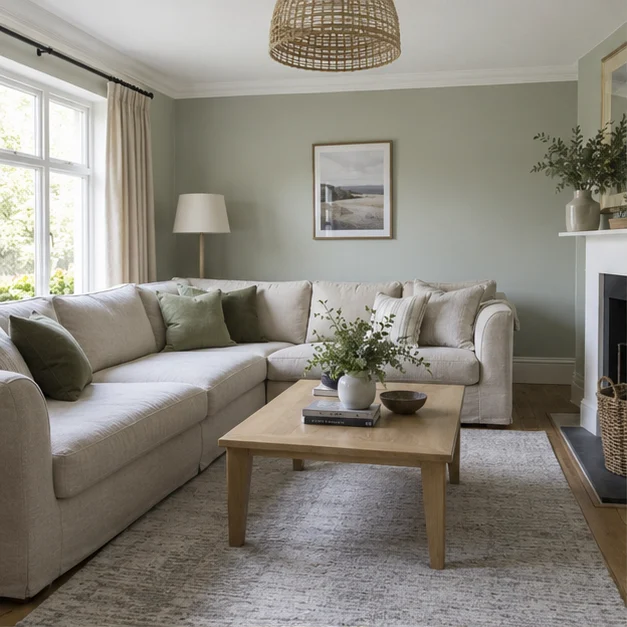
Two rooms painted the same shade can look entirely different. Light, floor colour and the sheen on nearby surfaces all influence the result. Our painters and decorators in Battersea help you consider those details before a room refresh becomes simply a choice from a colour card. The best brief describes how the space is used and what remains in it, alongside the walls, ceilings and joinery that need attention.
Light and sheen reviewed
Fixed materials guide colour
Wear points assessed individually
The services behind a finished room.
Interior painting
Walls, ceilings and finishing details
Domestic painting
A defined scope for your home
Painting and decorating
Colours and surfaces considered together
Exterior painting
Assess painted surfaces outside
Office decorating
Plan around people and equipment
Commercial painting
Discuss access and operating needs
Mould removal
Separate assessment and treatment
YOUR PROPERTY
Test the finish as well as the colour
A colour sample is useful, but the sheen also affects how a surface catches light. Think about where daylight crosses the wall and where lamps will sit. A finish viewed straight on may appear different from the usual seat or through the entrance.
Painting and decorating can coordinate the room’s materials and surfaces. Put samples beside fixed flooring, kitchen units or retained furniture rather than on an isolated white background. If the scheme uses several closely related tones, record them carefully. Small differences can be pleasing when deliberate, but confusing when everybody assumes a frame and ceiling were meant to use the same finish.

YOUR PROPERTY
Decide which surfaces are carrying the wear
The wall near a dining chair may need attention while the quieter part of the room remains sound. Door edges and skirting can also have a different condition from the main wall.
For interior painting, separate surface preparation from the choice of a more practical topcoat. A product suited to cleaning still needs a properly prepared substrate and suitable care afterwards. Ask how the proposed materials respond to the surface and contact involved. The decision should be based on the room, not the assumption that the same finish is ideal everywhere in a home.
YOUR PROPERTY
Use the room list to control the scope
Name ceilings, doors, frames and any built-in details you want included. Then identify items that will remain untouched. This is particularly helpful when a room opens into another space or when fitted furniture occupies a substantial wall.
Domestic painting can cover a targeted group of surfaces or a broader refresh. The onsite consultation helps distinguish the preparation needed on each item. Where timber or plaster requires repair beyond decorating, establish the responsibility and order first. A clear surface schedule keeps a visually connected scheme from becoming an open-ended instruction to paint anything that looks old once work begins.

YOUR PROPERTY
Make an occupied-room programme realistic
If you are staying in the property, discuss which rooms can be released and where their contents will go. A large open-plan area may have fewer doors but more functions, making its temporary loss significant. Identify the routes and facilities you need throughout the work.
Agree the protection of retained flooring and furniture, and who moves loose belongings before the start. The programme should include preparation, application and product drying requirements. Tell us about home working or important commitments affecting room access. One clear period of availability is often easier to organise than repeated short gaps that leave the working area partly occupied or continually rearranged.
Check shade and sheen from the positions where the room is used.
List included surfaces around fitted furniture and open-plan boundaries.
Discuss external items separately even when they are visible from indoors.
YOUR PROPERTY
Do not ignore an external finish in the same enquiry
Balcony-facing frames, an entrance door or other external joinery may be visible from the refreshed room. If those items need work, mention them explicitly rather than assuming the interior plan covers them. Their exposure and access can require a different specification.
Exterior painting can be assessed alongside the indoor brief with its own weather and material requirements. Check responsibility for any shared or leasehold element before commissioning a change. External appearance may also involve address-specific controls, so use the relevant council for that question. A coordinated look can be the aim, but the coating systems must still suit the conditions of each individual surface.
YOUR PROPERTY
Complete the job with useful finish records
Where a Battersea enquiry needs on-street trade parking, check Wandsworth’s virtual permit requirements for the work address before confirming attendance. Proof of the job is required, and activation relates to the approved sub-zone and day. Keep the parking decision separate from any private building access. Neither the room’s finish schedule nor a building entry code settles both.
Our work is carried out by decorators within the business’s M25 service coverage. Availability is discussed for the scope involved. At completion, review the agreed surfaces under normal room lighting and retain their product details. Those records help with cleaning guidance, later repairs and any adjoining room you choose to refresh, rather than leaving the next decision dependent on guessing from the finished colour.
Details worth looking at.
A closer look at colour, preparation and finishing details.

Battersea: questions before decorating.
Does sheen affect how a colour looks?
Yes. Reflection and the room’s lighting can change its appearance, so consider the finish alongside the selected shade.
Can I keep fitted furniture untouched?
Yes. Define the painted boundaries and discuss protection so retained items are deliberately part of the room plan.
Is one coating suitable throughout the home?
Not necessarily. The substrate, contact and intended appearance should guide material selection for each included surface.
Can open-plan rooms be painted in stages?
Discuss the actual layout and use. Protection, access and drying requirements determine whether a staged programme is practical.
Can exterior frames be included too?
Ask for a separate assessment of their condition, exposure, access and any responsibility or permission requirements.
What should I keep after completion?
Save the room-specific colour and product references, plus care guidance relevant to the coatings actually used.
Nearby areas
Clapham · Wandsworth · Chelsea · Pimlico
LET’S DISCUSS THE DETAILS
Make the next room feel right.
Describe the Battersea rooms, fixed materials and worn surfaces you want to improve. We can discuss a finish schedule at a free onsite consultation.