
LONDON HOMES & WORKSPACES
Painters and Decorators in Clapham
A shared home can have several opinions about colour and several different diaries to work around. The decorating project needs room for both. Our painters and decorators in Clapham help turn the group’s priorities into a practical scope: which surfaces need attention, who approves the finish and when each room can be released. Once those points are settled, the work is easier to organise and the result easier for everyone to understand.
Shared decisions clarified
Room access agreed beforehand
Everyday wear prioritised

The services behind a finished room.
Interior painting
Walls, ceilings and finishing details
Domestic painting
A defined scope for your home
Painting and decorating
Colours and surfaces considered together
Exterior painting
Assess painted surfaces outside
Office decorating
Plan around people and equipment
Commercial painting
Discuss access and operating needs
Mould removal
Separate assessment and treatment
YOUR PROPERTY
Agree who makes the final decisions
Start with a short conversation between the people responsible for the home. Decide who approves colours and who can answer questions during work.
Domestic painting can cover the shared areas and individual rooms, but their approval arrangements may differ. A named contact helps keep instructions consistent. Write down the chosen scope and any items excluded from it so nobody assumes their room or door is automatically included. This gives the quotation a clear basis and avoids a collection of overlapping requests becoming an undefined project.

YOUR PROPERTY
Prioritise wear in the common spaces
Look at the hallway, sitting room and areas around frequently used doors. Furniture contact, bag marks and old fixings may be concentrated in a few places. Identify which defects need preparation and which rooms would benefit most from a refresh. A priority list can help stage the work sensibly.
For interior painting, discuss the substrate and existing coating rather than focusing only on a durable paint label. Filling, suitable preparation and product selection work together. Explain any marks that keep returning, especially after a previous repaint. An active cause needs attention before decoration, and separate repairs should be identified so the new finish does not become a temporary covering.
YOUR PROPERTY
Choose a palette the room can support
Test samples against the furnishings and floor that remain in the shared rooms. A scheme should work under the lighting people actually use, not just in a bright daytime photograph. Keep the options manageable and make the final approval before coating materials are committed.
Painting and decorating can coordinate ceilings, trim and walls without requiring everyone to agree on an elaborate scheme. Consider how the hallway connects rooms with different colours. A defined boundary at a doorway can allow variety while keeping the shared space coherent. Record which shade and sheen belongs to each surface, particularly where several similar neutral finishes are being considered.
YOUR PROPERTY
Give belongings somewhere real to go
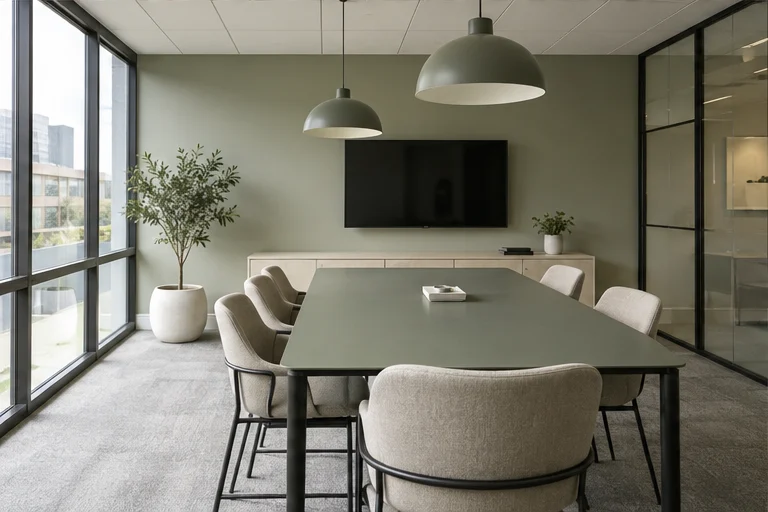
Clearing a shared room means deciding who moves the items and where they fit elsewhere. Do not assume the next room will have unlimited space, especially if it is also scheduled for preparation. Fragile objects and electronics need a place that remains accessible to their owners outside the work area.
Discuss large furniture and the protection of retained flooring at the survey. A single clear instruction about moving responsibilities is more useful than several people assuming somebody else will handle it. If shelves or hooks are being changed, settle that before finishing. The room should be released for the agreed work, with access sufficient to reach the included surfaces rather than only their unobstructed centres.
Agree one approval contact before comparing colours.
Assign responsibility for clearing each shared room.
Record the finish schedule where future decision-makers can find it.
YOUR PROPERTY
Plan around different daily routines
Ask residents when they need access to shared facilities and whether home working affects the programme. A room can seem available to one person while another depends on it for calls or study. Identify those constraints before a date is proposed so they can be considered against the scope.
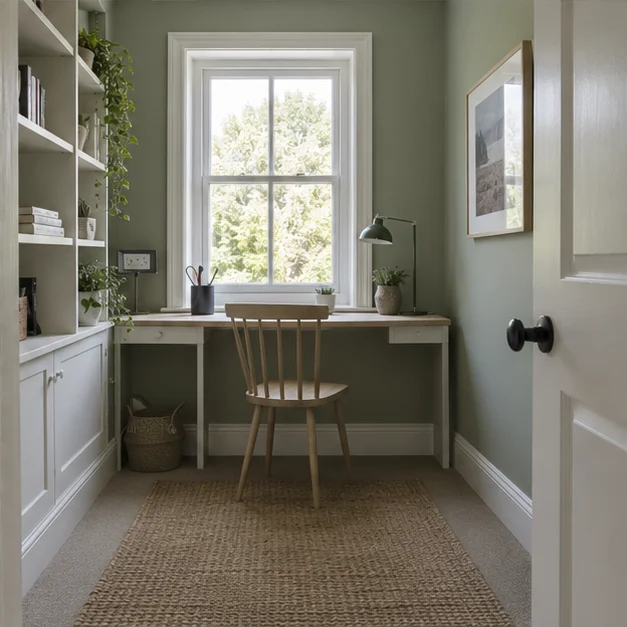
Office decorating may be relevant where a dedicated business workspace forms a separate part of the enquiry; a domestic desk still needs equipment and access planning. The room sequence should account for preparation and drying conditions as well as application. Discuss what normal use means at each stage instead of assuming everybody can return to the space immediately after the painting stops.
PEOPLE & PROCESS
Use one clear agreement from survey to review
Use the Clapham property’s exact address to identify the parking authority before the household agrees dates. For a Lambeth-controlled zone, check the traders’ voucher requirements; evidence must be approved before vouchers can be activated. Nominate who will handle that alongside room clearance. For an address under another authority, follow its scheme instead of assuming the neighbourhood name determines the rules.
Professional Painters London uses decorators and covers properties within the M25, with individual booking availability discussed. Arrange a final review against the agreed scope with the appropriate contact. Retain the paint references somewhere everyone responsible for the home can find them. A shared project works best when its specification remains clear after the work, rather than disappearing into one person’s messages.
Details worth looking at.
A closer look at colour, preparation and finishing details.
Clapham: questions before decorating.
Can different rooms use different colours?
Yes. Agree each room’s choice and consider how the shared hallway and door finishes will connect them.
Does every resident need to attend the survey?
A contact with the necessary information and approval authority is helpful. Establish how other decisions will be confirmed.
Can the shared areas be done first?
Discuss their use and access. The practical sequence depends on preparation, drying and how the household functions.
Who clears the common-room furniture?
Agree responsibilities before the start, distinguishing small possessions from larger items needing a specific moving arrangement.
Can an agent approve the work?
Agree that authority and identify a named contact so the scope, access and any changes have a clear route.
How can we avoid conflicting instructions?
Use one surface list and approval contact, recording the selected colours and any scope changes consistently.
Nearby areas
Battersea · Balham · Brixton · Wandsworth
LET’S DISCUSS THE DETAILS
Make the next room feel right.
Send your Clapham room priorities and identify who will coordinate the household’s decisions. We can discuss a shared-home decorating brief at an onsite visit.