
LONDON HOMES & WORKSPACES
Painters and Decorators in Hackney
You do not have to refresh a whole home at once to make a noticeable difference. A phased plan can start with the room you use most and leave other spaces for a later decision. Our painters and decorators in Hackney help define those boundaries clearly. The important part is knowing how each phase will meet the next, what preparation belongs in the current job and how the household will function around the work.
Phases with clear boundaries
A consistent finish specification
Access considered between rooms
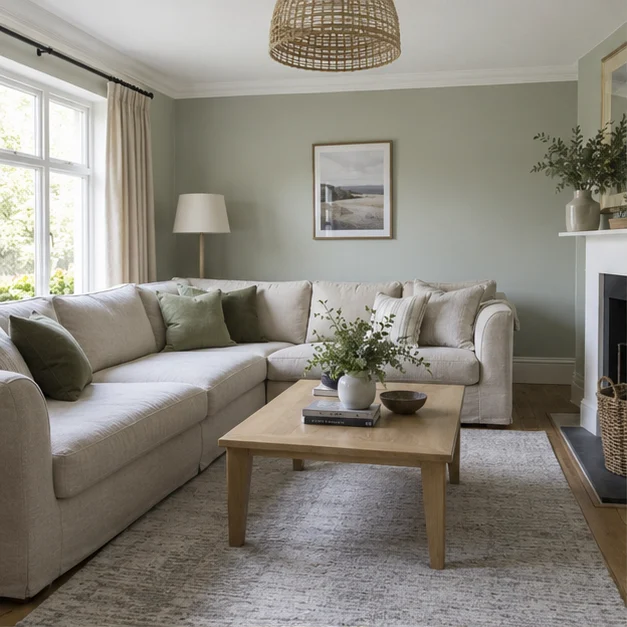
A plan for every space.
Interior painting
Walls, ceilings and finishing details
Domestic painting
A defined scope for your home
Painting and decorating
Colours and surfaces considered together
Mould removal
Separate assessment and treatment
Commercial painting
Discuss access and operating needs
Exterior painting
Assess painted surfaces outside
Office decorating
Plan around people and equipment
YOUR PROPERTY
Choose the first phase for a reason
Think about which room would make the greatest difference to everyday use. It might be a living space with worn walls, a bedroom affected by old repairs or an entrance that makes the whole home feel tired. Select the first job by its effect on your routine rather than assuming every space has equal urgency.
For domestic painting, make the initial room list explicit and identify any items you want left for later. A clear boundary helps the survey focus on the work currently being considered. It also gives the quotation a sensible scope, without depending on an unspecified promise to return for every other room at the same price.
YOUR PROPERTY
Look across the boundary into the next room
A phase needs a visual stopping point as well as a practical one. Inspect the doorway and adjoining trim where a refreshed room will meet retained paint. Decide which sides of doors, frames or connected walls are included so the result does not depend on a last-minute judgement during application.
Through painting and decorating, consider how the first palette will relate to future rooms. You can keep them distinct while coordinating a ceiling or trim choice. Test colours beside the flooring and furniture that remain.

YOUR PROPERTY
Record the specification for later decisions
Keep the product, colour and sheen details used in the first phase. A general label such as white walls does not establish what should be considered in the next room. Different products and existing surface conditions can produce different appearances, even under a similar colour name.
For interior painting, discuss the substrate and preparation rather than treating the first room as a universal specification. One room may have sound coatings while another needs more filling or repair. The recorded finish provides a useful starting reference, but a later survey should still consider the condition found. Consistency is a considered decision, not a reason to ignore differences beneath the paint.

YOUR PROPERTY
Use the unpainted rooms as workable space
Leaving rooms for later may create somewhere for furniture or temporary activities, but plan that use deliberately. A spare bedroom filled with large items might no longer function as a sleeping space. Explain which rooms must remain available and where belongings can realistically be moved before deciding the sequence.
During the free onsite consultation, discuss protection, access routes and material storage. Our decorators need room to reach and prepare the included surfaces. Agree who clears personal and delicate items and what can remain covered. The proposed arrangement should leave the household with usable space, not merely move all the difficulties from the room being painted into the next one.
Give the first phase a precise room and surface list.
Decide where new finishes meet surfaces staying untouched.
Retain product details without assuming later rooms need identical preparation.
YOUR PROPERTY
Resolve concerns that could change the order
If an area has recurring stains, loose material or suspected mould, raise it before selecting that room as the easiest first phase. Its condition may need a different assessment from ordinary cosmetic wear. Explain any previous repair and whether the mark has changed since then.
For mould concerns, discuss our standalone mould removal assessment and treatment service separately from painting. Any later decorating should relate to the condition after the relevant issue has been addressed. More substantial repair may also require its own allowance. Separating these questions helps you choose a sensible order for the work rather than making the timetable depend on a defect being hidden by the new finish.
YOUR PROPERTY
Revisit access when the next phase is agreed
Hackney’s parking guidance notes that some new homes and redevelopments are car-free, and that a permit does not guarantee a space. Check the property’s actual arrangements before assuming the first decorating phase establishes access for every later visit. Tell us about any private loading point, building permission or changed entry requirement when the next room is considered. Keep those details with its new surface list.
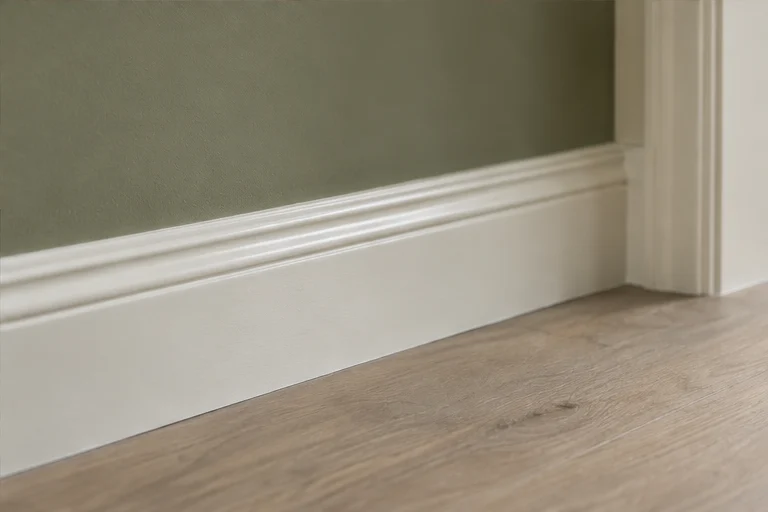
The finish meets the architecture.
A closer look at colour, preparation and finishing details.
Hackney: questions before decorating.
Can I decorate one room now and another later?
Yes. Define each scope and discuss the visual boundary, access and availability when you are ready to proceed.
Will a later phase cost the same per room?
Condition, surfaces and access can differ. A later quotation should reflect the work then being commissioned.
Should adjoining door frames be included?
Decide explicitly which frames and sides belong to the current phase so the finish has a clear boundary.
Can unpainted rooms hold the furniture temporarily?
Discuss their size and ongoing use so storage does not obstruct access or leave the household without essential space.
Do I need to keep the paint information?
Yes. Product, colour and sheen details are useful for future planning and care, though each surface still needs assessment.
What if I want to add a room during the job?
Discuss the new scope, price and availability before additional work is agreed rather than treating it as automatic.
Nearby areas
Dalston · Bethnal Green · Shoreditch · Stoke Newington · Stratford
LET’S DISCUSS THE DETAILS
Set the scope. Arrange the work.
Start with the Hackney room that would improve your day most. We can discuss a focused onsite quotation and the boundaries that make a phased refresh practical.