
PROFESSIONAL PAINTERS LONDON
Commercial painters in London.
A space ready for business.
A business interior has to feel welcoming and stand up to everyday use. When the paintwork begins to look tired, the right refresh can make the whole space feel better cared for. Commercial painting needs a clear brief: what is changing, which surfaces are involved and how the premises will operate while the work is carried out.

Different premises, different priorities
The entrance to a shop, the wall behind a service desk and a room used for staff training have different roles. Look at each part of the property in terms of who uses it, what they notice and what tends to get marked. That is a better starting point than applying the same finish everywhere by default.
Tell us about the type of business, the areas you want refreshed and how the premises are used. That information helps shape a quotation for your particular surfaces, condition and access.
Keep the decorating separate from other changes
A repaint is often booked at the same time as a refit, new signage or a change of furniture. Set out which parts of the project are painting and which are being handled by somebody else. It is easy for a small detail to fall between two contractors when everyone assumes it is included elsewhere.
Discuss the order of the work before confirming appointments. Wall-mounted fittings, new flooring and electrical work can all affect the decorating sequence. If another contractor needs access to the same space, name the contact and explain the expected handover. A shared timetable helps, even when the jobs are quoted separately.
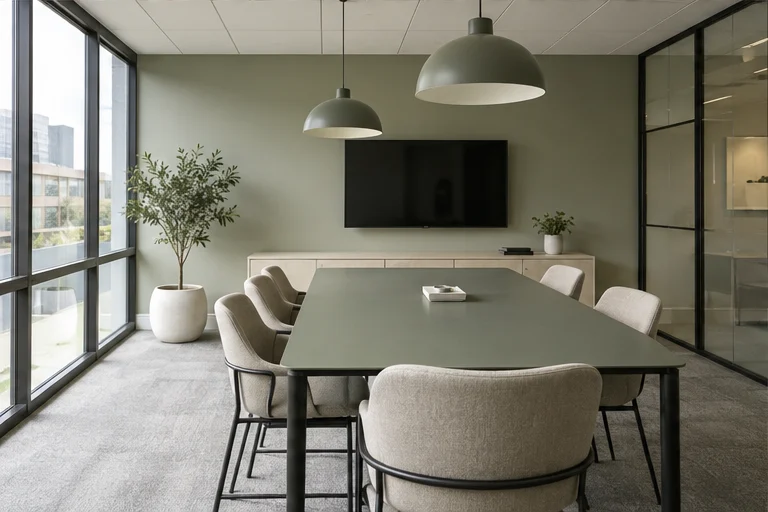
Working around customers and staff
Identify entrances, routes and facilities that must remain available. Tell us whether the premises will close for the work, operate in part or need a phased approach. Include the times when customers, staff or deliveries make an area particularly difficult to take out of use.
A schedule should allow for more than the application of paint. Protection, preparation, drying and clearing the work area all take time. Ask what arrangement is proposed for your property and confirm it in advance. It is better to plan a realistic interruption than make a promise about keeping every part of the business open regardless of the work involved.
Surfaces that see regular use
Busy interiors tend to reveal wear at the points people touch or pass most often. Look at doors, frames, corners and walls behind seating or equipment. Mention repeated marks and areas that have been repaired before so they can be assessed during the survey.
Discuss finish suitability for the way the surface is used and cleaned. A wall that forms a quiet backdrop has different demands from one beside a working counter. If your organisation has a material specification or maintenance requirement, provide it before the quote is confirmed, along with any approval process that affects the choice.
Protection and access before the work begins
Decide who will move stock, display items, equipment and other belongings. Some items may be covered in position; others need to be removed from the work area. Give particular attention to anything valuable, fragile or essential to the next working day.
Explain keyholding, entry requirements, loading access and where the team can keep materials during the job. If the building is shared, discuss any arrangements with the manager or other occupiers. These details should be settled before work starts so the decorating can proceed without avoidable waiting or confusion over access.
A quote that can be compared properly
Provide a room or area list and identify the surfaces in each. Photographs are useful for the initial conversation, but an onsite inspection helps confirm condition and preparation. Explain whether you have selected materials, need paint included or have a particular finish in mind.
When comparing quotations, check that the scope is genuinely comparable. A price for walls alone is different from one covering ceilings, doors and preparation. Ask how any additional work would be discussed and what is excluded. A clearly described commercial painting job is easier to approve, schedule and review when it is complete.
The handover matters as much as the start
Walk through the agreed areas with the team before the space returns to normal use. Review the surfaces included in the quotation and raise any questions while the details are easy to identify. Ask what the paint needs during the initial drying period and when fittings or equipment can be returned close to it.
Keep colour and product information with your maintenance records. If another section of the property needs painting later, that record helps you maintain a consistent appearance. For offices specifically, our office painters and decorators page explains the practical arrangements worth considering around desks, meetings and everyday workspace use.
Questions before you book.
Do you work on part of a commercial property?
Discuss the particular rooms, elevations or surfaces you need painted. The scope can be assessed around those areas rather than automatically covering the whole premises.
Can I supply a material specification?
Yes. Share the specified colours, products and any approval requirements before the quotation is confirmed so they can be considered with the surface condition.
LET’S TALK ABOUT YOUR PROPERTY
A clear plan.
Starts with a call.
Tell us about your postcode, your rooms and the finish you have in mind.
Arrange a free onsite quote.