
LONDON HOMES & WORKSPACES
Painters and Decorators in Kensington
The walls may be the reason you called, but looking upwards often changes the brief. A tired ceiling, uneven junction or marked door can make freshly painted walls feel unfinished. Our painters and decorators in Kensington help you assess the whole room before choosing the order of work. Whether the space is simple or full of existing detail, the decisions should start with what is there and what needs to change.
Ceilings included in the brief
Profiles and junctions considered
Protection planned before work
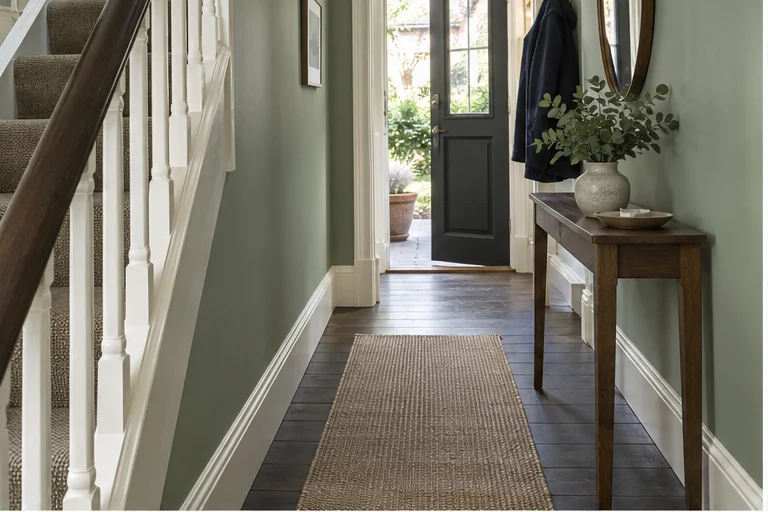
The services behind a finished room.
Interior painting
Walls, ceilings and finishing details
Domestic painting
A defined scope for your home
Painting and decorating
Colours and surfaces considered together
Exterior painting
Assess painted surfaces outside
Office decorating
Plan around people and equipment
Commercial painting
Discuss access and operating needs
Mould removal
Separate assessment and treatment
YOUR PROPERTY
Read the room from ceiling to floor
Stand at the doorway and follow the room downwards: ceiling, wall junction, wall surface, skirting and floor. Note where one finish interrupts another. A ceiling that appears white from below may show staining or patchiness near a window, while wall colour can make a slightly yellowed trim more conspicuous.
Interior painting can include the overhead surfaces as well as the vertical ones. Specify whether the ceiling is part of the work and identify any difficult edges or fittings. This avoids a quotation based on walls alone when the finished effect actually depends on several connected surfaces being considered together.

YOUR PROPERTY
Make preparation proportionate to the surface
Some rooms need local filling and a straightforward repaint; others have flaky edges, previous repairs or layers of different finishes. We need to see the substrate to distinguish those situations. Photograph the defects that matter to you, but do not assume a photograph can settle the entire specification.
If a stain has a cause that remains active, address that cause before asking paint to conceal it. Discuss recurring cracks and repairs honestly during the consultation. The preparation allowance should respond to those observations, with any separate repair requirement made clear. A decorative coating is the finish of the process, not a substitute for understanding the surface beneath it.
YOUR PROPERTY
Decide how much contrast the details need
Where a room has mouldings or a panelled door, consider whether you want them to recede or stand out. A single colour across different sheens can give a restrained result, while a modest change between walls and trim can clarify the edges.
Painting and decorating is an opportunity to coordinate those choices. Include the paint sheen in the conversation and look at the proposed finish under your usual lamps. Existing flooring and fixed joinery will remain part of the palette. There is no requirement to repaint every detail, but the retained finish should be an intentional part of the plan.

PRACTICAL DETAILS
Organise access before the first coat
Lift access, shared entrances and the route through a flat can influence how a job runs. Tell us about building rules and any permitted working hours that apply to your address.
For domestic painting, discuss whether you will stay at home and which facilities must remain available. Removing loose possessions is usually easier before work starts than during preparation. Agree responsibilities for moving heavier items and protecting the remaining contents. A room-by-room programme should be grounded in access and drying conditions rather than an optimistic date chosen before the scope is known.
Inspect the ceiling before deciding that only the walls need work.
Ask the building manager about access and any relevant working rules.
Keep each approved colour linked to a named room and surface.
YOUR PROPERTY
Give external joinery a separate inspection
Internal and external timber should not be grouped into one vague line in a quotation. Weathered frames can need a different preparation process and material system. If an outside door or window is part of your enquiry, identify it explicitly and describe peeling, open joints or areas that remain damp.
Our exterior painting work is assessed against the surface and exposure. Check the council’s guidance for your individual property if changing external appearance, especially where a building has heritage controls. Do not infer permission from a nearby house’s colour. Once the scope is established, weather and the product requirements will help determine when the work can sensibly proceed.
YOUR PROPERTY
Make the final brief easy to follow
When a Kensington room project also includes outside joinery, check the particular address using RBKC’s conservation guidance, including any relevant Article 4 direction. If the address search is unavailable, contact the council with the proposed change. Record that decision separately from the indoor ceiling and wall specification; a room survey does not settle an external consent question.
We work with decorators, and serve properties within the M25 subject to an agreed booking. During handover, inspect the work against the agreed scope, including the less obvious junctions that prompted the project. Save the product references for future maintenance. That small administrative step is particularly helpful when several subtle shades or different sheen levels have been used in the same room.
Details worth looking at.
A closer look at colour, preparation and finishing details.
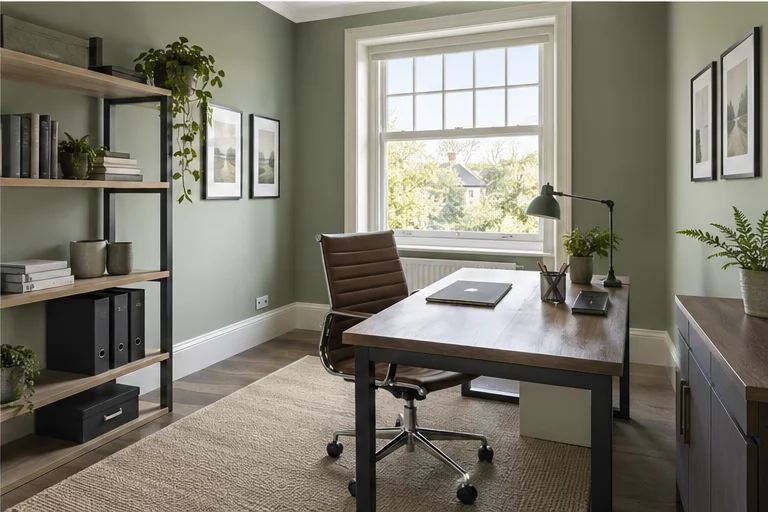
Kensington: questions before decorating.
Can a ceiling be painted on its own?
Yes. Identify the ceiling’s condition and whether adjacent walls or fittings need particular protection during the work.
Will paint hide old repair lines?
Not necessarily. Repair texture and preparation should be assessed before choosing the finish or judging its likely appearance.
Do you paint decorative trim?
Discuss the individual features at the survey, including fragile details and the amount of earlier paint build-up.
Can I specify different sheen levels?
Yes, provided the materials suit their surfaces. Consider their appearance together rather than selecting each in isolation.
What about shared building access?
Tell us the management requirements in advance so delivery, protection and working arrangements can be included in planning.
Is the onsite consultation free?
The business offers a free onsite consultation. Contact us with the property details to discuss arrangements and scope.
Nearby areas
Chelsea · Notting Hill · Hammersmith · Paddington
LET’S DISCUSS THE DETAILS
Make the next room feel right.
Share your Kensington room list, including ceilings and retained details. We can discuss what an onsite assessment should cover before you settle the finishes.