
LONDON HOMES & WORKSPACES
Painters and Decorators in Bethnal Green
Rooms collect different kinds of paint, repairs and wear over time. A wall may be sound in one place and rough in another, while a nearby frame carries several old layers. Our painters and decorators in Bethnal Green begin by looking at that mixture rather than assuming one preparation method fits the whole room. A surface-led brief makes the new finish more considered and helps you understand what the quotation is allowing for.
Old repairs assessed individually
Substrates matched with finishes
Defined boundaries around the work
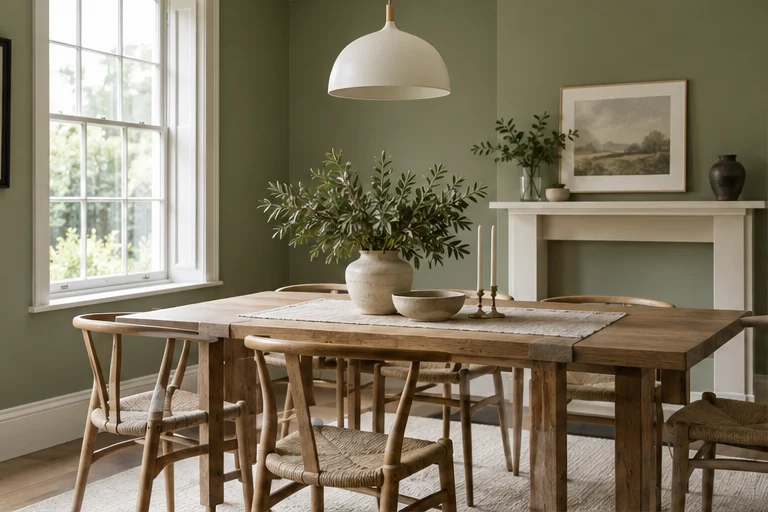
A plan for every space.
Interior painting
Walls, ceilings and finishing details
Domestic painting
A defined scope for your home
Painting and decorating
Colours and surfaces considered together
Mould removal
Separate assessment and treatment
Commercial painting
Discuss access and operating needs
Exterior painting
Assess painted surfaces outside
Office decorating
Plan around people and equipment
YOUR PROPERTY
Read the old finish before choosing the new one
Look for loose edges, different textures and previous repairs that stand out under ordinary light. Explain anything you know about the wall, including recent building work or a stain that has changed. You do not need to diagnose the surface yourself, but those observations help direct the assessment.
For interior painting, the free onsite consultation can consider the condition and preparation required. Ask which filling, sanding and priming are included and whether any damage needs further work outside the decorating scope. A new coating belongs on a suitably prepared base. Its colour cannot remove an uneven patch or turn loose material into a sound surface simply by covering it.
YOUR PROPERTY
Give timber its own attention
Painted doors, frames and skirting have different demands from broad plaster walls. Inspect corners, joints and the edges most often touched. Existing build-up may soften detail, while chips become more noticeable beside a fresh wall. List the timber items you want considered instead of assuming they are incidental to the room repaint.
Through domestic painting, discuss preparation and finish for those elements separately. A coordinated palette does not require one product across every substrate. If only one face of a door is included, record it clearly. These details help define both the price and the standard you will review, especially where adjoining rooms have deliberately different finishes.
YOUR PROPERTY
Use colour to support the surface plan
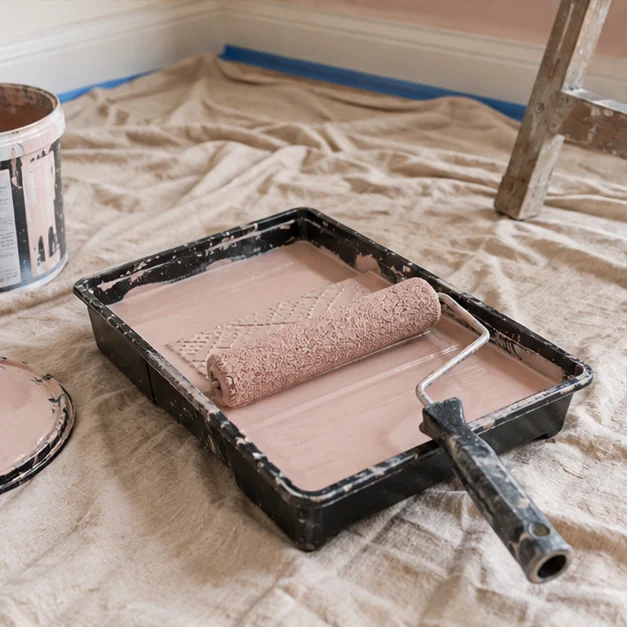
Once the practical work is understood, test the proposed palette beside floors, furniture and any retained trim. Look at samples under evening lamps as well as daylight. Colour and sheen work together, and a more reflective finish may reveal surface variation differently from the existing paint.
A painting and decorating discussion can relate the chosen appearance to the preparation agreed. If a wall needs extensive work to achieve your preferred effect, ask about that before confirming the product. Keep alternatives focused on the room rather than a long list of unrelated trends. The useful decision is how the selected finish will sit on your surfaces in the lighting you live with.

YOUR PROPERTY
Make edges and exclusions explicit
Awkward sections behind fitted furniture or around shelving can be easy to overlook in a general quote. Identify where the work stops, what remains untouched and how adjoining surfaces should meet. A walls-only brief is perfectly understandable when those boundaries are deliberate and written down.
During the survey, show areas with limited access and explain what can be removed. Discuss flooring and furniture protection alongside working space. Our decorators need enough room to prepare and finish the agreed sections properly. If an item cannot move, assess the implications before booking rather than expecting access to resolve itself once the rest of the room has been cleared.
Show previous repairs in the light that reveals them.
List timber separately from plaster walls.
Define inaccessible areas and deliberate exclusions before booking.
YOUR PROPERTY
Treat persistent marks as a separate question
A damp patch or suspected mould should not be absorbed into an ordinary repaint allowance. Tell us about its location and recurrence, including any previous treatment or repair. Covering the visible area does not establish what caused it or whether the condition has been addressed.
Our mould removal service offers a separate assessment and treatment conversation. Decorating can then be considered in relation to the surface condition, rather than used as an automatic substitute for that step. More substantial substrate concerns also deserve clear discussion. Keeping these issues outside routine preparation gives the quotation a more accurate scope and avoids approving a cosmetic result while another question remains open.
YOUR PROPERTY
Use the assessed job in the access arrangements
A Bethnal Green repair-led repaint needs a defined job before its access arrangements are finalised. Tower Hamlets asks contractor-permit applicants for evidence such as the agreed quotation or job record, together with business-use insurance. Keep the address and intended work clear when that information is prepared. If surface assessment changes the proposed repairs, discuss the attendance arrangements as well as the finish.
The finish meets the architecture.
A closer look at colour, preparation and finishing details.

Bethnal Green: questions before decorating.
Can you assess a wall with several old repairs?
Yes. Show their condition at the survey so appropriate preparation and any separate repair allowance can be discussed.
Will the same paint suit walls and doors?
Not automatically. Products should be selected for the substrate, intended use and the agreed appearance.
Should I remove shelves before the visit?
Explain what can move first; the survey can then discuss access and the boundaries around fitted items.
Can a different sheen hide surface unevenness?
Appearance varies with light, but sheen does not replace preparation needed to achieve the agreed finish.
What if mould is visible behind furniture?
Raise it before decorating and discuss the separate assessment and treatment service rather than covering the area.
How should I compare the completed work?
Use the agreed surface and preparation list, reviewing details in the room’s normal lighting before replacing belongings.
Nearby areas
Bow · Shoreditch · Hackney · Stratford
LET’S DISCUSS THE DETAILS
Set the scope. Arrange the work.
Show us the Bethnal Green surfaces that have become difficult to refresh neatly. We can discuss their condition, appropriate preparation and a free onsite quotation.