
LONDON HOMES & WORKSPACES
Painters and Decorators in Blackheath
Light often reveals what a room needs more clearly than a colour chart does. It catches an old repair, changes the warmth of a wall and makes the ceiling edge more noticeable at certain times of day. Our painters and decorators in Blackheath help you use those observations when planning a refresh. The result begins with understanding your surfaces and their surroundings, before choosing how each part of the room should be finished.
Samples checked in changing light
Ceilings included in the discussion
Finish selected for the substrate
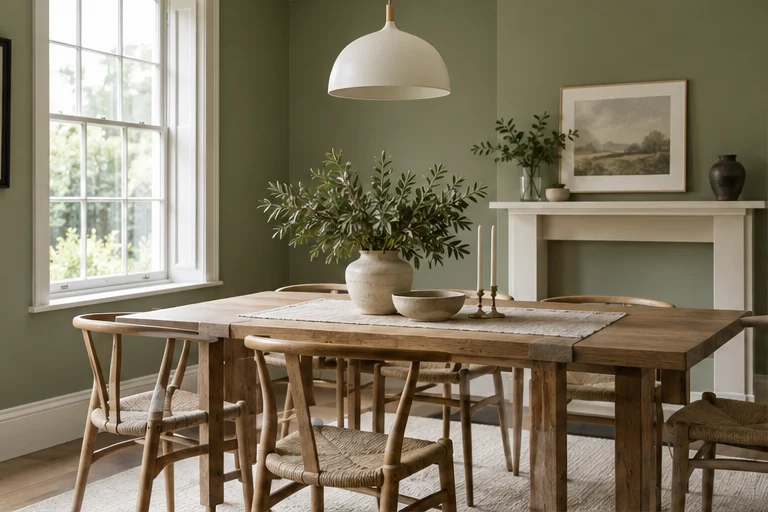
A plan for every space.
Interior painting
Walls, ceilings and finishing details
Domestic painting
A defined scope for your home
Painting and decorating
Colours and surfaces considered together
Mould removal
Separate assessment and treatment
Commercial painting
Discuss access and operating needs
Exterior painting
Assess painted surfaces outside
Office decorating
Plan around people and equipment
YOUR PROPERTY
Watch the room before making the palette
Notice where daylight falls in the morning and how the space looks later. Place samples on the walls you actually intend to paint, beside the flooring and furnishings you plan to keep. If a shade appears very different across the room, that is useful information rather than a reason to choose blindly.
A painting and decorating conversation can bring these observations together. Discuss whether you want the room to feel quieter, warmer or more distinct from the adjoining space. Keep the sample selection manageable so you can compare it properly. Check your evening lighting too; a choice that only works at midday may not suit the hours you spend in the room.
YOUR PROPERTY
Use side light to identify preparation needs
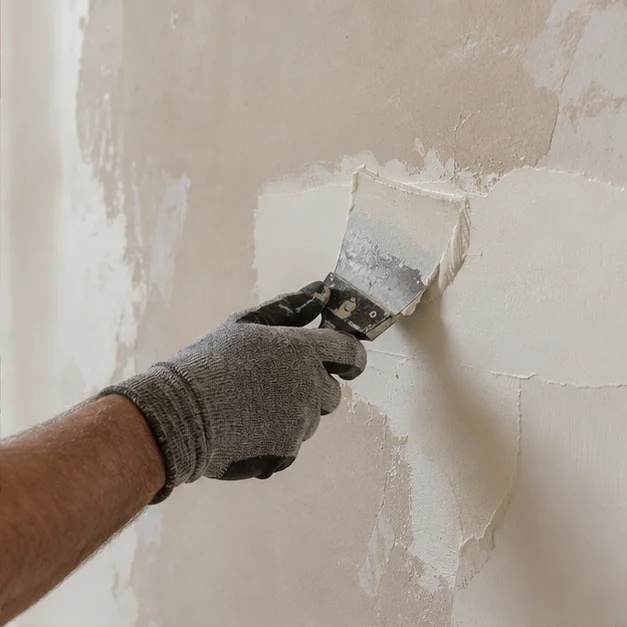
A wall seen straight on may look even while light from the side reveals a raised repair or a rough patch. Show us those areas at the survey. Explain whether they are old, recently repaired or associated with a stain that has changed, because the history can affect what needs discussing.
For interior painting, preparation should be defined by the surface rather than a generic promise to make every wall perfect. Ask about appropriate filling, sanding and priming, and the limits of ordinary decorating work. More substantial defects may require separate agreement. The chosen coating will sit on that prepared base, so the expected finish and the work underneath it need to align.
YOUR PROPERTY
Look at what frames the walls
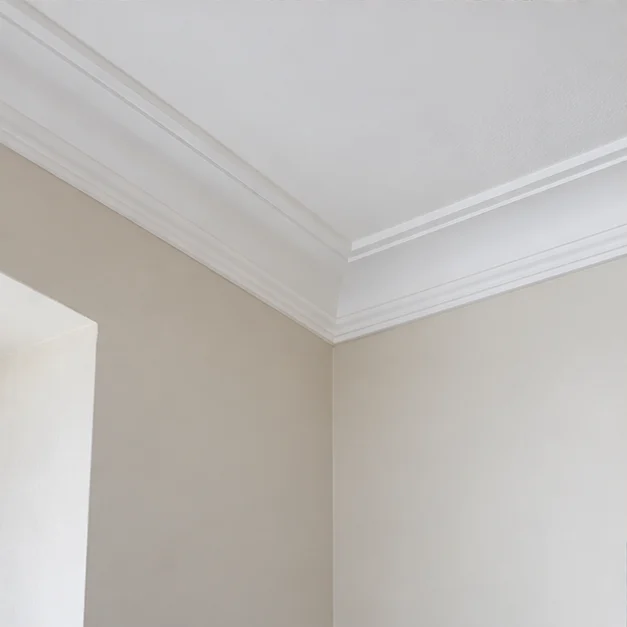
Ceilings, coving and window surrounds influence the impression of the wall colour. Inspect them before approving a walls-only job, particularly where the existing white has changed or edges have accumulated rough paint. A fresh wall may make those details more obvious even though nothing about them has physically altered.
Through domestic painting, list the adjoining surfaces you want included and the ones you intend to retain. Where the room contains shaped mouldings or panelled timber, discuss their condition individually. Colour and sheen can be coordinated without painting every item identically. A deliberate decision about each surface is more useful than assuming all white elements will automatically look the same.
YOUR PROPERTY
Choose a coating for both appearance and use
A finish has to suit the surface and the way the room is used. In an area subject to regular contact, discuss cleanability as well as the look you prefer. Understand the product’s requirements and care instructions instead of relying on a broad description such as durable or washable.
Sheen can change the way light reveals texture, so assess it with the preparation standard in mind. A finish suitable for one substrate should not be assumed appropriate for every other element. The quote can distinguish wall paint from the material proposed for doors or frames. That clarity makes it easier to compare the decisions and retain useful details for future maintenance.
Compare samples in daytime and under your evening lamps.
Point out repairs that appear in side light.
Keep exterior timber separate in the surface schedule.
YOUR PROPERTY
Give exterior timber a separate brief
If the windows, doors or other outside elements also need painting, show them independently of the interior room. Exposure, existing paint failure and difficult access may change the preparation and equipment proposed. Discuss exterior painting with a specific list of the items that fall within your authority to maintain.
Check relevant property-specific restrictions before confirming an exterior alteration. During the free onsite consultation, we can discuss condition, access and suitable scheduling, while decorators assess the decorating requirements. Weather and product conditions affect outside work. Keep that part of the plan distinct so an attractive interior colour choice does not obscure practical decisions about an exposed surface.
YOUR PROPERTY
Use the address to choose the right property guidance
Blackheath spans Greenwich and Lewisham, so use the property’s address to identify the council before checking an exterior proposal. Both authorities publish Blackheath conservation information. If the room refresh includes outside timber or a colour change to another exterior surface, consult the relevant map and guidance rather than borrow requirements from a property across the boundary.
The finish meets the architecture.
A closer look at colour, preparation and finishing details.
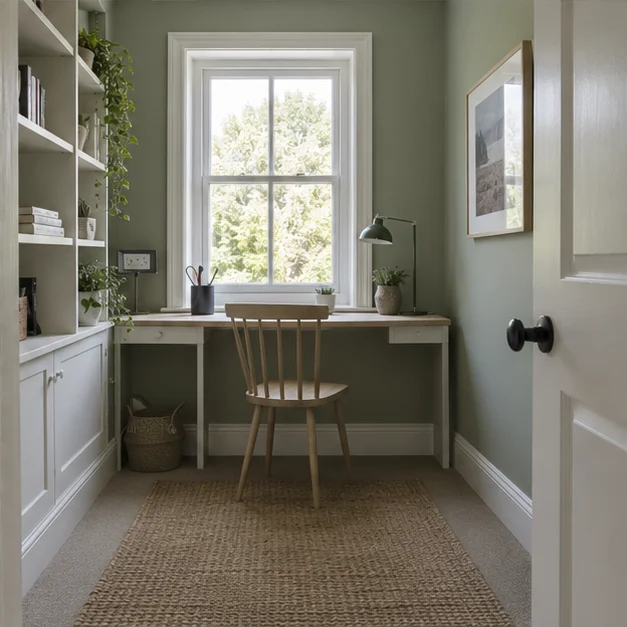
Blackheath: questions before decorating.
Why does one shade look different across a room?
Light and neighbouring surfaces affect its appearance. Test the proposed colour in the positions where it will be used.
Is higher sheen always easier to maintain?
The appropriate coating depends on use and substrate. Discuss its cleaning instructions and appearance alongside preparation.
Can you include coving and ceiling edges?
List them in the scope so condition, access and the finish are assessed rather than assumed.
Should I mention an old repaired leak?
Yes. Explain the repair and present surface condition so any remaining staining or damage can be considered.
Can exterior work follow the interior schedule?
Discuss both, but outside work depends on separate access, surface and suitable-weather requirements.
What information should I keep after decorating?
Retain product, colour and finish details with care instructions for cleaning and any future touch-up discussion.
Nearby areas
Greenwich · Lewisham · Deptford
LET’S DISCUSS THE DETAILS
Set the scope. Arrange the work.
Show us how your Blackheath room looks in the light you live with. We can assess the surfaces and discuss an onsite quote for a finish that fits.