
PROFESSIONAL PAINTERS LONDON
Painting & decorating London.
Pull the room together.
Sometimes a room needs more than a change of colour. The ceiling looks tired beside the walls, the skirting boards have been overlooked and the door no longer fits the feeling of the space. A painting and decorating plan brings those decisions together, so the finished room looks considered rather than changed one surface at a time.
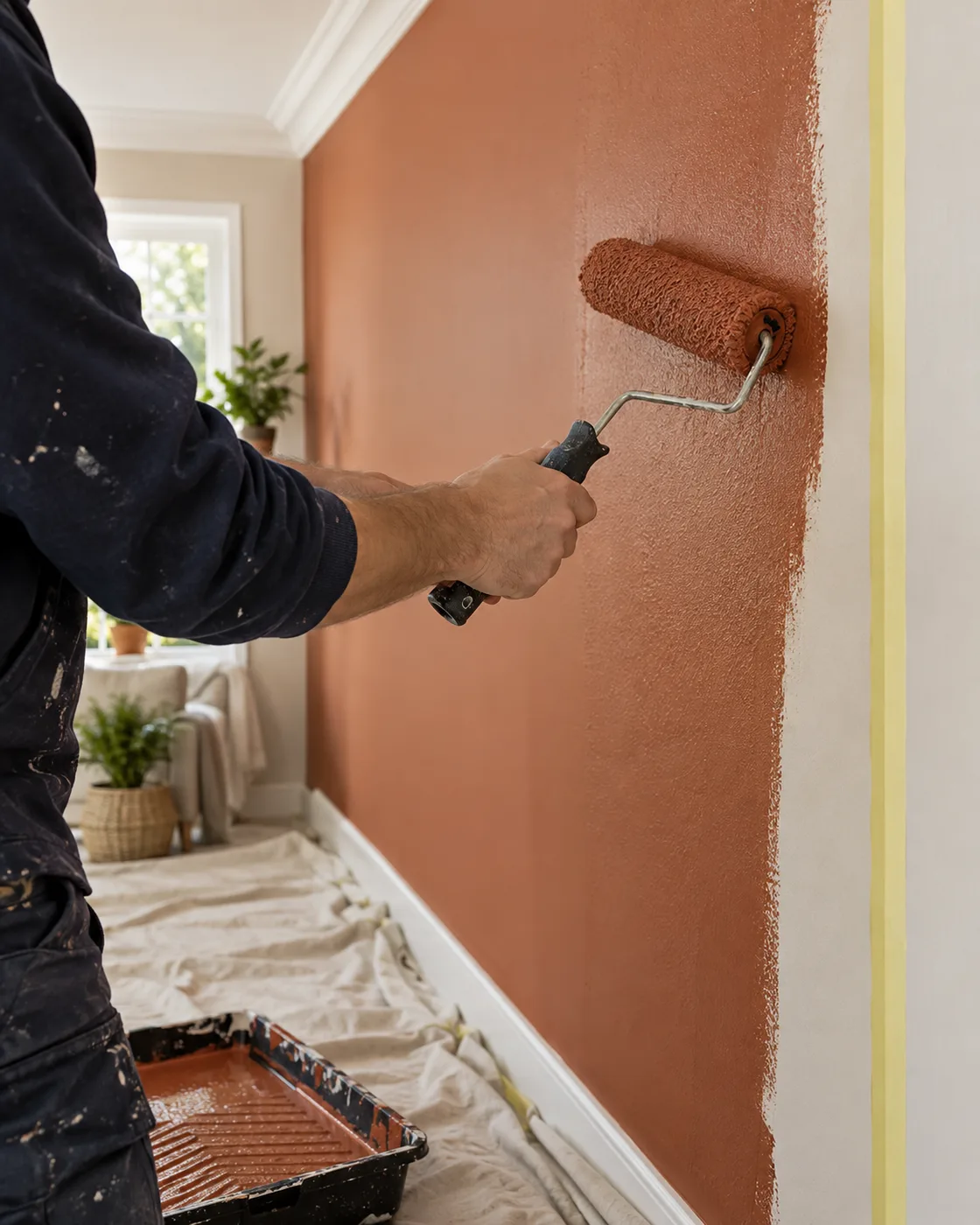
Decide what stays and what changes
Begin with the parts of the room you already like. Flooring, furniture, curtains and lighting all influence how the paint will look, so take them into account before choosing a shade. Then identify the surfaces that genuinely need attention and any details you would like to bring into the same plan.
This avoids spending time on changes that do not improve the room. You may find that the wall colour is right but the woodwork needs refreshing, or that a cleaner ceiling changes the balance of the whole space. Tell us your priorities and we can discuss a scope that reflects them instead of assuming every surface must be repainted.
A room, several rooms or a wider property
Painting and decorating can be a focused job or a larger refresh. If you want several rooms to work together, think about the route through the property and how the colours meet at doors and connecting spaces. A hallway can link quite different rooms without forcing the same treatment into each one.
For a smaller job, be precise about the work. Include whether the ceiling, doors and other woodwork should be painted or left as they are. A short, clear list is more useful than a broad request to freshen things up, particularly when the quotation needs to fit a defined budget or deadline.
The less visible work is still part of the result
Before a new finish goes on, the existing surface needs to be considered. Old holes, worn edges, loose paint and earlier patch repairs may need attention. Point them out during the survey, including any places where the finish has failed repeatedly or where staining has appeared.
Ask what preparation is included and where further investigation or another repair may be necessary. Paint should not be treated as the answer to every building issue. A clear conversation at the start helps you understand what the decorating can achieve and which problems need to be dealt with before the finish is applied.
Colour and finish work as a pair
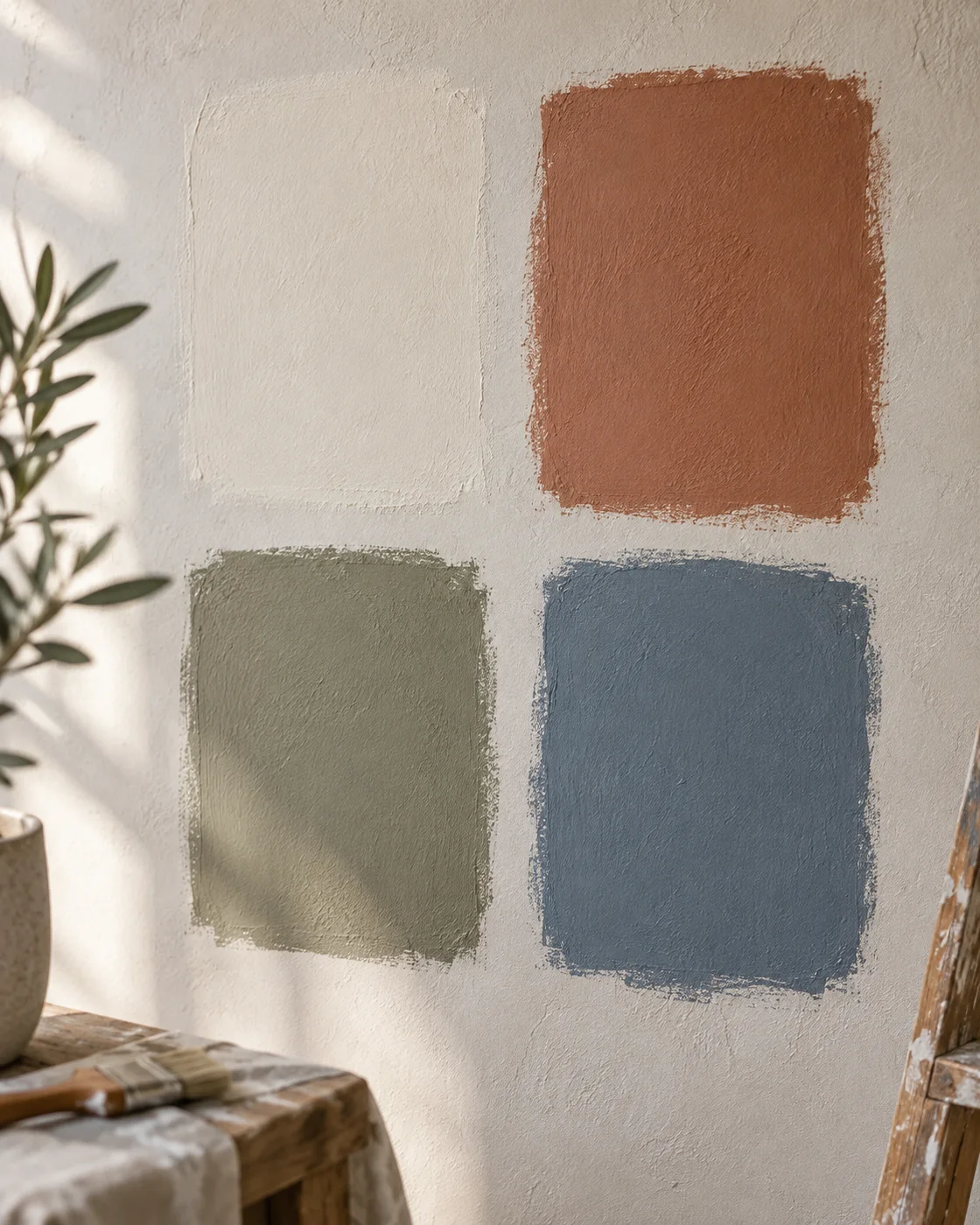
The shade is only part of choosing paint. Different finishes change how a surface catches the light and how it suits the room’s everyday use. Discuss walls and woodwork separately, especially where you are trying to bring an older finish into line with a new colour scheme.
Try samples in the actual room and look at them at different times of day. A colour reference on a screen is a useful idea, but it is not a dependable substitute for seeing the paint beside your furnishings. If you have a specified product or a finish you particularly want, mention it before materials are included in the quotation.
Making room for the decorators
Think about furniture, books, pictures and the belongings that tend to collect in a room. Agree what you will remove and what can be protected in place. Tell us about large pieces that cannot easily be moved, as well as any fittings that require somebody else to handle them.
Access matters too. A narrow corridor, shared entrance or room used as a home office may change the working arrangements. For a business property, include customer hours and any areas that must remain available. Discuss these details early so the sequence of work makes sense for the people who will continue using the space.
From the first conversation to the confirmed scope
Call with your postcode and a simple explanation of the work. Say how many rooms are involved, which surfaces you want painted and whether you have chosen colours already. Photographs can help describe the initial idea, while the onsite survey provides the opportunity to look at the condition and practical arrangements.
Before booking, check that the quote describes the areas, preparation and materials you expect. Clarify what is excluded and how any extra work would be agreed. This is also the point to confirm access and the schedule, rather than leave them as assumptions that become awkward once the room has been cleared.
A finish you can carry into the next room
When the work is complete, look over the agreed surfaces with the team. Check the edges and the details that were important to you at the start, and ask about drying before putting furniture or pictures back. A short handover conversation is worth making time for.
Keep the names of the colours and finishes used. If you decide to paint another room later, they provide a useful reference. For a more focused project, explore interior painting, domestic painting or our business services, then talk to us about which scope best matches what you want to change.
Questions before you book.
Does decorating have to include the whole property?
No. Describe the room or particular surfaces you want refreshed. A focused painting and decorating job can be assessed separately from a larger property project.
Can I discuss the colours before deciding?
Bring your shortlist and the details of the room. Discussing the surfaces and the finish early helps you make the final colour choice before work begins.
LET’S TALK ABOUT YOUR PROPERTY
A clear plan.
Starts with a call.
Tell us about your postcode, your rooms and the finish you have in mind.
Arrange a free onsite quote.