
LONDON HOMES & WORKSPACES
Painters and Decorators in Walthamstow
Moving furniture around or changing a room’s purpose often reveals decorating needs that were easy to miss before. A newly positioned desk may expose old fixing holes, while a cleared bedroom shows where previous colours stop behind a wardrobe. Our painters and decorators in Walthamstow help you work through that change. We identify the surfaces that need attention and develop a brief around how the room will be used next.
New room uses planned
Preparation assessed before colour
Household access discussed
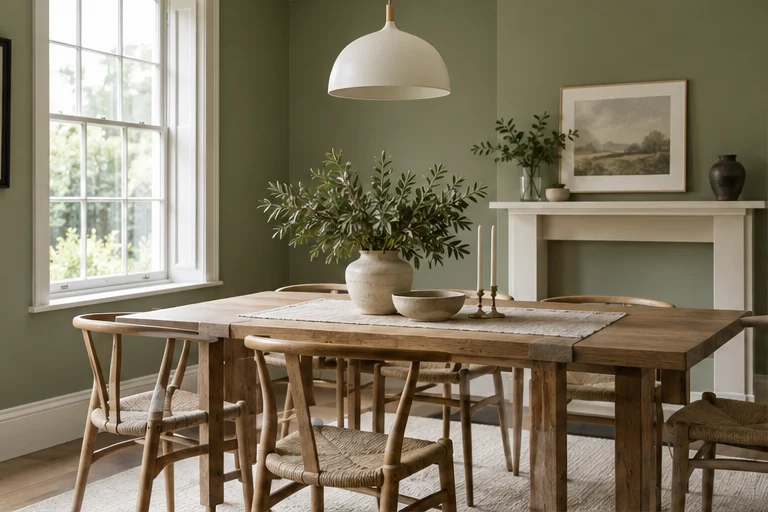
Choose the work your room needs.
Interior painting
Walls, ceilings and finishing details
Domestic painting
A defined scope for your home
Painting and decorating
Colours and surfaces considered together
Exterior painting
Assess painted surfaces outside
Office decorating
Plan around people and equipment
Commercial painting
Discuss access and operating needs
Mould removal
Separate assessment and treatment
YOUR PROPERTY
Explain the next use of the room
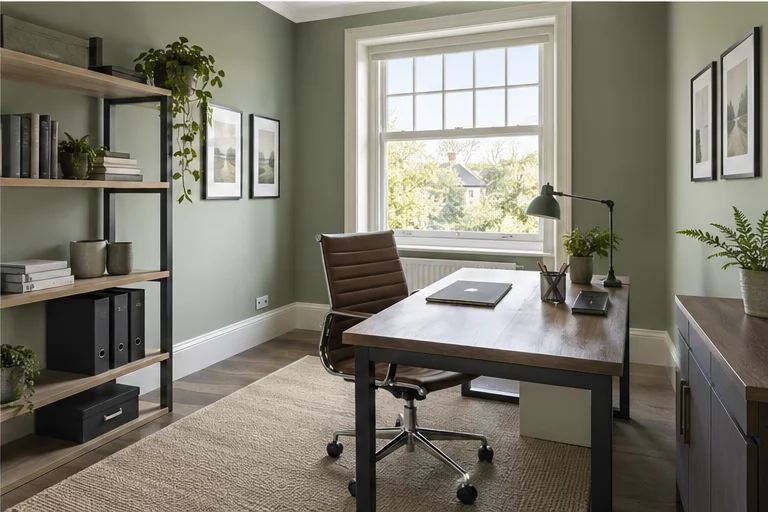
A guest bedroom becoming a workspace calls for a different conversation from a sitting room receiving its existing colour again. Describe where furniture will stand, what equipment will remain and which walls become prominent. This is practical information for interior painting, even when you are not seeking a complete design service.
Look at the view from the new working or sitting position. Decide whether a wall should become a background, an accent or simply a clean consistent finish. Confirm the final layout as far as possible before settling the surface list, so the scope does not follow a furniture arrangement you have already decided to change.

YOUR PROPERTY
Find the marks previously hidden
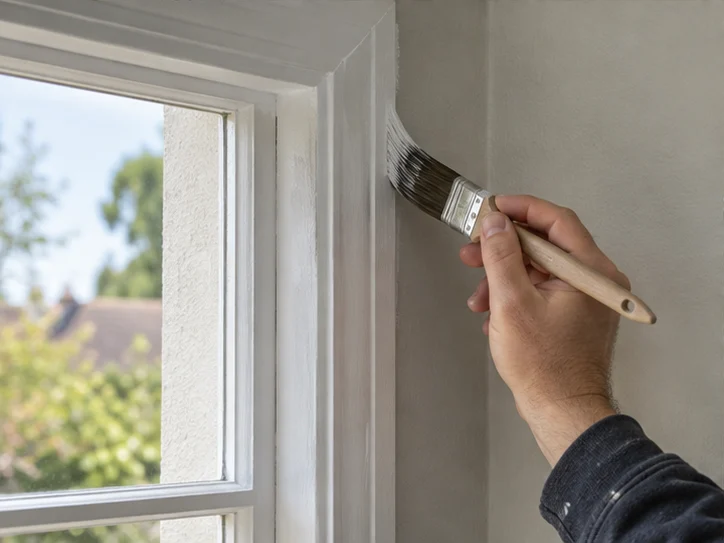
Where furniture moves, check for fixing holes, scuffs, rough patches and uneven previous finishes. Photograph what you find and point it out at the survey. The amount of preparation cannot be inferred from the room being newly empty; a clear view may reveal more work than the original description suggested.
Ask how the observed condition affects the proposed preparation. Suitable filling and sanding may be part of the quotation where agreed, while other defects may require separate attention. Do not assume an additional decorative coat can compensate for every substrate problem or that a newly exposed area should be treated identically to the rest.
YOUR PROPERTY
Choose a finish for the new routine
If the room will contain a desk, exercise equipment or children’s activities, explain the likely contact and cleaning needs. Product suitability depends on the actual surfaces and intended use. A finish should be selected with those details alongside appearance rather than from a general promise that one paint works equally well everywhere.
In painting and decorating discussions, distinguish the colour reference from the product and sheen. Check samples under lighting appropriate to the new activity. A room used for calls throughout the day may need its colour judged differently from a guest room chiefly seen under bedside lights in the evening.
YOUR PROPERTY
Decide whether adjoining areas belong
A change of use can shift which doorways and passages matter most. Inspect the door and frame from both sides, then decide where the new work ends. If the corridor is excluded, compare the proposed room colour with that existing finish so the transition is intentional.
A wider domestic painting scope can include connected spaces, but there is no need to expand automatically. List the extra surfaces only if they support your priorities and budget. Separating essential work from a future stage helps the quotation remain understandable and allows you to arrange the household around the current project.
Photograph defects uncovered when moving the existing furniture.
Approve samples under lighting suited to the room’s next use.
Assign equipment movement responsibilities before the working arrangement is agreed.
YOUR PROPERTY
Plan clearance and equipment carefully
When a Walthamstow home is within a controlled parking zone, agree who will arrange any resident trader permit needed for the decorating vehicle. Waltham Forest’s scheme is applied for by the resident on behalf of tradespeople. Check the evidence required for the applicant’s circumstances; the council provides an exception for a property owner or manager. Keep that access task alongside equipment clearance when planning attendance.
Where business use continues, discuss office decorating arrangements relevant to the working area. Consider when that space can be unavailable and how other rooms will be accessed. Preparation, application and drying all contribute to the sequence. Confirm realistic arrangements before rescheduling meetings or placing furniture orders around the anticipated completion.
PEOPLE & PROCESS
Make the handover useful for the new room
Review the completed work against the agreed surfaces and preparation areas before installing the new layout. This is the easiest point to look at the wall that will later sit behind equipment or storage. Ask about product care and record materials by surface, not merely by room colour.
Once furniture returns, maintain appropriate spacing and avoid unnecessary contact with fresh finishes in line with guidance. Keep the record for future changes, because the room may evolve again. Knowing which products were used and what was included makes a later refresh easier to discuss without reopening every earlier decision.
Colour, edge and light.
A closer look at colour, preparation and finishing details.
Walthamstow: questions before decorating.
Can decorating help when a bedroom becomes an office?
It can renew the agreed surfaces around the new layout. Explain equipment, lighting and working hours when discussing the room.
What if furniture reveals an uneven patch?
Show it during assessment. Preparation should reflect its condition rather than assuming the wall needs only a different colour.
Should the door be included in a room refresh?
Decide explicitly. Its faces, edges and frame may have different relationships to the new room and the existing corridor.
Who moves computer equipment?
Agree responsibility before attendance, including disconnection and protection. Do not leave delicate or heavy equipment movement to an assumption.
Can we split essential work from later work?
Yes, identify the current surfaces and a clear boundary. Future areas can remain a separate scope for another discussion.
When should we inspect the finished wall?
Review it before equipment or storage returns where possible, using the agreed scope and relevant preparation areas as your guide.
Nearby areas
Leyton · Stoke Newington · Tottenham · Hackney
LET’S DISCUSS THE DETAILS
Start with the room you have.
Tell us what is changing in your Walthamstow home and which surfaces the new layout will reveal. We can develop a practical room brief during a free onsite consultation.