
LONDON HOMES & WORKSPACES
Painters and Decorators in Westminster
When a decorating project involves a resident, an owner and a building manager, even a simple room refresh can become difficult to organise. The answer is a clear brief with somebody able to make decisions. Our painters and decorators in Westminster help establish which surfaces need work, who can provide access and what must happen beforehand. Those details give the finished rooms a practical starting point, whether the enquiry concerns a home or working premises.
Decision-makers identified
Access requirements reviewed
Explicit preparation and exclusions

The services behind a finished room.
Interior painting
Walls, ceilings and finishing details
Domestic painting
A defined scope for your home
Painting and decorating
Colours and surfaces considered together
Exterior painting
Assess painted surfaces outside
Office decorating
Plan around people and equipment
Commercial painting
Discuss access and operating needs
Mould removal
Separate assessment and treatment
YOUR PROPERTY
Give the project a named point of contact
Identify who can answer property questions and approve a change before the decorating begins. That may be the owner, a resident or a managing agent, but the role should be explicit.
For domestic painting, agree how rooms will be released and who will clear possessions. Record any immovable dates and distinguish them from preferences. A single contact does not mean nobody else can contribute; it means decisions have a clear route. This is particularly useful when the person paying for the work is not the person present at the property each day.

YOUR PROPERTY
Map the included surfaces rather than the whole address
A request to paint the property can mean anything from wall coatings to ceilings, doors, frames and built-in items. List them room by room, including surfaces that remain untouched. Explain which finish is currently damaged and whether any alterations are still planned.
Interior painting should follow that surface list. The onsite survey can establish preparation and suitable coatings, while separate repairs are identified before their timing becomes a problem. Photograph difficult-to-see details if useful, but allow the inspection to settle the specification. A clear scope protects the project from both omitted items and unnecessary work added simply because the original brief was broad.
YOUR PROPERTY
Check building rules and external controls separately
Ask the building manager about equipment access, permitted working arrangements and the protection of shared spaces. These practical requirements may apply even when no change to the external appearance is proposed. Make sure the person granting access has the necessary authority to do so.
If exterior painting is involved, check the exact property’s planning or heritage status through the council, as well as any relevant ownership or lease requirements. Internal management approval and planning permission are different questions. Do not assume an external colour change is permitted because a neighbouring property has a similar finish. Establish those decisions before materials or dates are committed for outside work.

YOUR PROPERTY
Choose materials against the actual use
A wall in a quiet room and a regularly handled door need different consideration. Explain the contact each surface receives and look at the retained flooring or furnishings when testing colours. Product choice should suit both the substrate and the intended use, with the appropriate preparation included.
Painting and decorating can coordinate those finishes without making every room identical. Record shade and sheen separately where needed. If an existing stain has a recurring cause, make that history part of the enquiry rather than repeatedly covering it. The coating is a finishing system, and it should not obscure a repair that requires attention before the decorative result can be useful.
Nominate a contact who can approve practical scope decisions.
Distinguish building-management arrangements from planning permissions.
List surfaces and exclusions before comparing quotation totals.
YOUR PROPERTY
Define a working-premises brief on its own terms
If the property includes an office or commercial area, describe its operating pattern and who needs access. Equipment, customer routes and business decisions may create requirements different from those of a residential room. Tell us which parts can be taken out of use and which cannot.
Commercial painting can be discussed for premises with those needs, while office decorating is assessed against the operating requirements of your workspace. Any proposed work programme should follow the assessed scope and availability. Avoid assuming an evening or weekend arrangement before it is agreed. A practical schedule depends on the surfaces, preparation, products and the operation of the space, not just a request to avoid disruption.
YOUR PROPERTY
Use the consultation to make the agreement reviewable
Give the authorised contact responsibility for confirming practical access as well as colours. For a Westminster address, consult the council’s trade parking guidance when a vehicle will remain during work. Check the zone, dates and required vehicle details before activating any session. Record who is arranging it with the quotation; approval to decorate and permission to use a particular bay are separate matters.
Professional Painters London uses decorators and has service coverage within the M25. At handover, compare the completed work with the agreed surfaces and decisions. A named reviewer should be available to raise any points clearly. Retain the colour and product schedule for maintenance. The same organisation that helps the project begin well also makes its conclusion easier for everyone involved.
Details worth looking at.
A closer look at colour, preparation and finishing details.
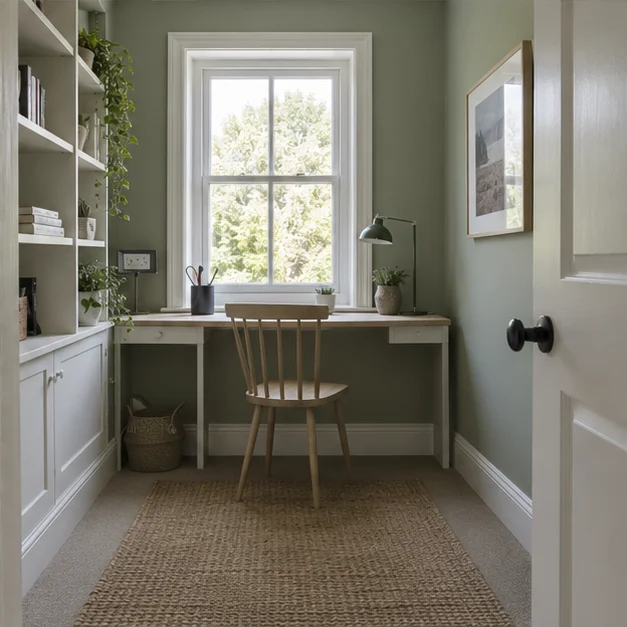
Westminster: questions before decorating.
Can a managing agent organise the work?
Agree a named contact, access arrangements and the person authorised to approve decisions about the decorating scope.
Do you decorate commercial spaces?
Commercial painting is available as a separate service, with the premises’ use and access requirements considered in the brief.
Are external permissions checked by postcode alone?
No. Check the specific address and proposed work with the relevant council, alongside any separate property-management requirements.
Can an owner approve colours remotely?
Agree a reliable approval process before materials are committed, ideally using samples considered in the actual room.
What makes a quotation comparable?
Compare included surfaces, preparation, coatings, access assumptions and exclusions, rather than relying on the headline total alone.
How should completion be reviewed?
Have the agreed decision-maker compare the surfaces with the scope and keep the finish references for future maintenance.
Nearby areas
Pimlico · Victoria · Marylebone · Paddington
LET’S DISCUSS THE DETAILS
Make the next room feel right.
Send your Westminster surface list and identify who will coordinate access. We can discuss an onsite brief that gives the project a clear route from survey to handover.