
LONDON HOMES & WORKSPACES
Painters and Decorators in Camberwell
When one room leads straight into another, decorating decisions rarely stop at the doorway. A new shade can make the next room feel unexpectedly tired, while mismatched woodwork breaks the connection between otherwise comfortable spaces. Our painters and decorators in Camberwell help you think across those boundaries. We start with the rooms you want to improve, then consider the adjoining details that determine whether the finished work feels coherent.
Connected rooms considered together
A defined repair allowance
Protection and access planned

A plan for every space.
Interior painting
Walls, ceilings and finishing details
Domestic painting
A defined scope for your home
Painting and decorating
Colours and surfaces considered together
Mould removal
Separate assessment and treatment
Commercial painting
Discuss access and operating needs
YOUR PROPERTY
Follow the view through the home
Stand where two rooms can be seen together and notice how the colours meet. A hallway, doorway or open living space may connect them more strongly than the floor plan suggests. List the surfaces visible in the same view before deciding which ones belong in the initial job.
Through painting and decorating, you can discuss a coordinated palette without making every room identical. A shared trim colour or a restrained ceiling treatment may provide continuity while individual rooms keep their own character. Check the proposed combination in the actual spaces. Light changes between rooms, so a shade that looks balanced in one may need reconsideration when seen from the next.
YOUR PROPERTY
Let surface condition define preparation
Uneven old repairs, flaking edges and ordinary scuffs are different problems. Show each type during the survey rather than describing the whole room as needing a fresh coat. The amount of preparation influences the work as much as the number of walls, particularly where several substrates meet.
For interior painting, discuss which areas require filling, sanding or appropriate priming and what condition is expected before application. Where the surface is damaged more extensively, clarify whether further repair sits outside the decorating scope. Do not hide recent changes in condition. An unexplained stain deserves attention before the finish is selected, even if it appears small beside the rest of the wall.

YOUR PROPERTY
Make doors part of the connection
Doors and frames sit between rooms, so their finish influences both spaces. Inspect the edge that faces each room, the surrounding frame and any paint build-up around joints. If only one side is being painted, say so explicitly; that detail should be in the room list rather than left to assumption.
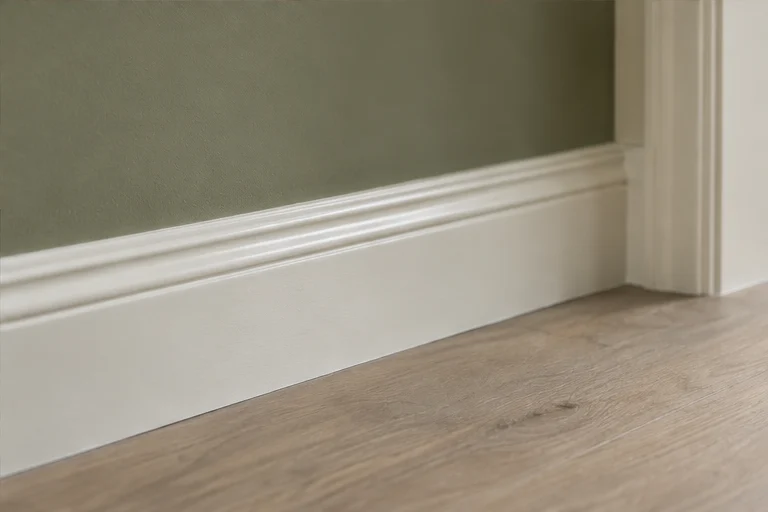
A domestic painting brief can distinguish walls from the woodwork linking them. Compare sheen and colour beside the proposed wall finishes and existing flooring. Some doors may need a different preparation allowance from others. Agree the items individually where their condition varies, instead of expecting a single general description to cover every frame in the home.

YOUR PROPERTY
Plan movement before moving furniture
Connected spaces make access important. If a dining table moves into the hall, does it obstruct the route to the room being worked on? If a bedroom becomes temporary storage, can it still be used at night? These are practical questions to answer before the decorating date.
During the free onsite consultation, explain which areas must remain available and who will remove belongings. Discuss protection for flooring and furniture, as well as space for materials. Our decorators need room to reach the surfaces and work safely. A staged arrangement should describe where the household will function, not only the order in which paint will be applied.
Assess colours from viewpoints that show adjoining rooms.
Specify door sides and frames individually where needed.
Keep furniture moves clear of the working route.
YOUR PROPERTY
Give moisture-related concerns a separate route
A persistent patch should not disappear into a colour consultation. Explain where it is, whether it returns after cleaning and whether other repairs have been carried out nearby. The visible mark may be only part of the issue, so its condition should guide what happens next.
Where mould is suspected, ask about standalone mould removal assessment and treatment. That service is distinct from painting. Once the relevant condition has been addressed, any decorating work can be considered on its own terms. Avoid approving a cosmetic cover-up while the underlying question remains unresolved. Keeping assessment and finish separate also makes the quotation easier to understand and compare.
YOUR PROPERTY
Check the exterior boundary of a connected-room job
An interior palette can be agreed independently of an outside alteration. If your Camberwell room list grows to include a facade or external frame, use Southwark’s conservation maps before confirming that addition. The council identifies Addington Square and Camberwell Green individually, so the address matters more than a general neighbourhood label. Define which external surfaces are proposed, then check the property’s requirements. That keeps an adjoining-room refresh from acquiring an unexamined exterior scope.
The finish meets the architecture.
A closer look at colour, preparation and finishing details.
Camberwell: questions before decorating.
Can adjoining rooms have different wall colours?
Yes. Consider the combination from shared viewpoints and use trim or ceiling choices to maintain a coherent relationship.
Do you need a separate list for each room?
A room list helps define surfaces and exclusions, particularly when similar doors or frames have different conditions.
Can I leave one room for a later phase?
Discuss the boundary and how the finishes will meet, alongside access and availability for the proposed work.
What if a stain comes back repeatedly?
Explain its history before decorating so it can be assessed separately from ordinary surface preparation.
Will you protect the route between rooms?
Protection and working access should be agreed at the survey, including any communal or frequently used passage.
How should I check the completed work?
Review individual details and the view between rooms, using the agreed scope and your normal lighting as references.
Nearby areas
Peckham · Brixton · Dulwich · Deptford
LET’S DISCUSS THE DETAILS
Set the scope. Arrange the work.
Tell us which Camberwell rooms no longer feel connected. We can discuss a practical sequence, the adjoining finishes and a free onsite quotation for the work you choose.