
LONDON HOMES & WORKSPACES
Painters and Decorators in Crouch End
One room can change the way a home feels without turning the whole property into a decorating project. The challenge is making that room belong with the spaces around it. Our painters and decorators in Crouch End help you define a focused refresh, including the edges, retained finishes and practical arrangements that can easily be missed. You can then make a deliberate change without allowing the scope to expand by accident.
One-room work properly scoped
Colour joins considered
Preparation suited to condition
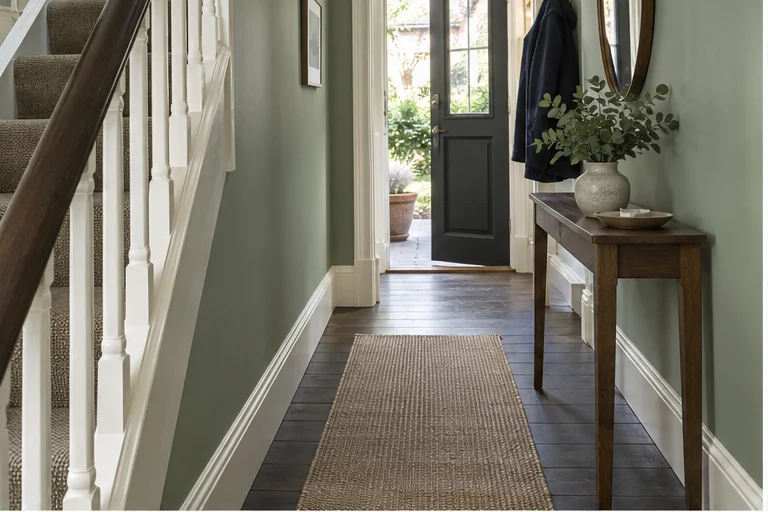
Choose the work your room needs.
Interior painting
Walls, ceilings and finishing details
Domestic painting
A defined scope for your home
Painting and decorating
Colours and surfaces considered together
Exterior painting
Assess painted surfaces outside
Office decorating
Plan around people and equipment
Commercial painting
Discuss access and operating needs
Mould removal
Separate assessment and treatment
YOUR PROPERTY
Choose the room that will make a difference
Begin with the space you most want to use differently. Perhaps the spare room needs to become a comfortable workplace, or the sitting room feels tired despite furnishings you still like. Describe the problem in everyday terms before listing products or colours. That helps the survey concentrate on the change you actually want.
An interior painting brief can cover one room with a clear boundary. Identify the walls, ceiling and joinery involved, then note the surfaces that will stay. A compact project still deserves an explicit scope, especially when the doorway connects to an otherwise finished hall or neighbouring room.

YOUR PROPERTY
Give the doorway a clear boundary
Decide where the new finish stops. A door has two faces, several edges and a frame visible from adjoining spaces. If only one room is being decorated, those details can create uncertainty unless they are named during the consultation. Consider the view with the door both open and closed.
The boundary may follow a corner, an architrave or another natural junction. Ask how retained surfaces will be protected and how the meeting line is included in the preparation. This small decision can have a large influence on whether the finished room looks resolved or appears to need the adjoining passage painted immediately afterwards.
YOUR PROPERTY
Look beyond the feature wall
A strong accent can be appealing, but inspect the other surfaces before making it the entire brief. A chipped skirting board or uneven ceiling may draw attention once the feature wall is clean and fresh. Decide which details should be addressed now and which can remain without undermining the effect you want.
In painting and decorating planning, compare the proposed accent with flooring, curtains and the quieter wall colour. View samples from the places where people sit rather than only from close beside the wall. A useful palette supports the way the room is seen, including its corners and the doorway framing the view.
YOUR PROPERTY
Turn the cleared space into an agreed arrangement
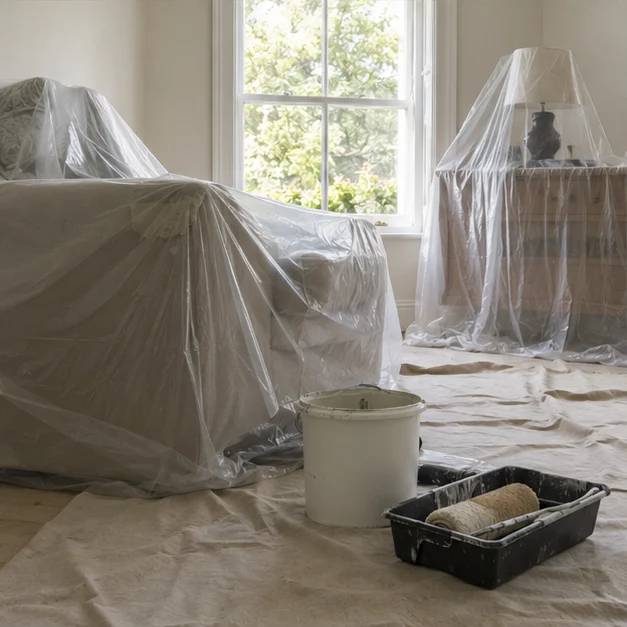
Even a single room can hold a surprising amount of furniture. Establish what you will remove, what may remain and what can be protected while still allowing access. Mention shelves, desks and heavy items that cannot readily be moved. Do not wait until attendance to discover a wall is effectively unreachable.
For a domestic painting job in an occupied property, also discuss the route into the room and where removed belongings will go. Materials, preparation and drying all affect when it can return to ordinary use. Confirm the proposed arrangements before organising other commitments around an assumed working sequence.
Name the exact junction where the new room finish should stop.
Separate fittings that will return from those being removed permanently.
Store the finished room’s references for your next decorating decision.
YOUR PROPERTY
Assess old fixing points properly
A room changing purpose often reveals screw holes, redundant shelves or wall marks previously hidden behind furniture. Show them during the survey and say which fittings will return. Preparation should reflect that plan; there is little value in filling a fixing point that is intentionally needed again without discussing it.
If a defect is more substantial than routine decorative preparation, clarify the distinction. Appropriate filling and sanding may be proposed where suitable, but a decorative quotation should not leave structural or recurring moisture concerns unexplained. Recording the visible issues helps both the quotation and the final review focus on the same conditions.
YOUR PROPERTY
Leave yourself an easy next step
Once the room is complete, retain a record of the agreed materials and colour references. If you plan to decorate another area later, photograph the finished junction while the first project is fresh in mind. You can then revisit how the next room should relate to it without starting the palette discussion again.
Before extending a Crouch End room refresh outside, check Haringey’s conservation appraisal. It flags painted or covered brick and stone as a concern for consistent frontages. Confirm your address and proposal before carrying an interior palette onto bare masonry.
Colour, edge and light.
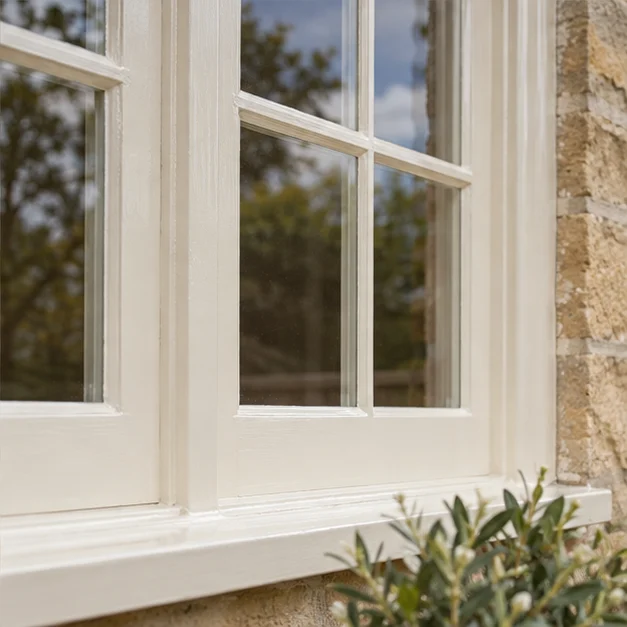
A closer look at colour, preparation and finishing details.
Crouch End: questions before decorating.
Can you help with only a spare room?
Yes, a single room can have its own decorating scope. Specify the included surfaces and how its doorway meets adjoining spaces.
Do both sides of a door need painting?
Not automatically. Discuss each face, its edges and the frame so the chosen boundary is clear before the work begins.
Should we keep existing shelf holes?
Tell us which fittings will return. The preparation plan should distinguish redundant holes from fixing positions you intend to reuse.
Can furniture remain in the room?
That depends on the available working space. Identify retained items and agree access and protection during the onsite consultation.
What if we decorate the hall later?
Record the first room’s materials and doorway boundary. The later hall project can then be scoped around those finished details.
How do I choose an accent wall?
Consider the main view, furniture placement and daylight. Test the shade in that position before committing to a large area.
Nearby areas
Muswell Hill · Highgate · Finsbury Park · Wood Green
LET’S DISCUSS THE DETAILS
Start with the room you have.
Start with the Crouch End room that matters most to you. Arrange a free onsite consultation to discuss a focused refresh and the practical details that will make it work.