
LONDON HOMES & WORKSPACES
Painters and Decorators in Highgate
The colour in a room is only part of the result. The line above a stair, the edge of a window reveal and the finish around an awkward corner can shape how the whole space feels. For Highgate painting and decorating, we begin with those practical details and the way you use the property. That gives the decorative decisions something concrete to follow, whether the project is modest or extensive.
Edges assessed before colour
Room use guides finishes
Independent exterior scope
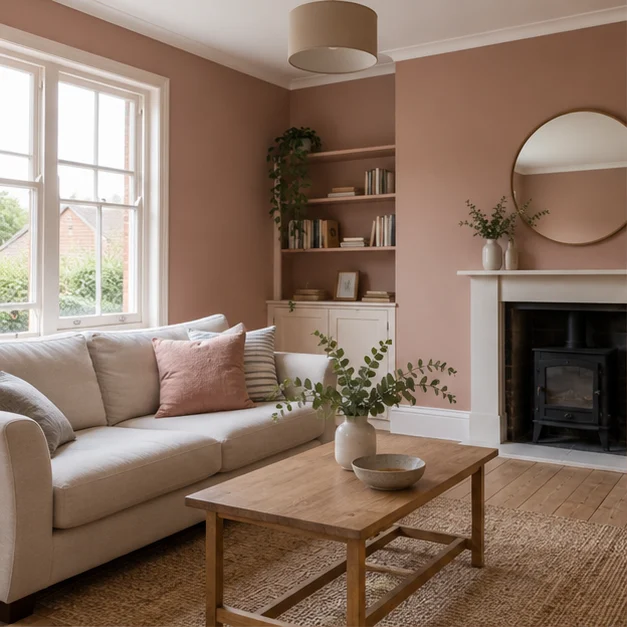
Choose the work your room needs.
Interior painting
Walls, ceilings and finishing details
Domestic painting
A defined scope for your home
Painting and decorating
Colours and surfaces considered together
Exterior painting
Assess painted surfaces outside
Office decorating
Plan around people and equipment
Commercial painting
Discuss access and operating needs
Mould removal
Separate assessment and treatment
YOUR PROPERTY
Start with the places your eye returns to
Think about the view you see most often: a staircase from the hall, a wall behind a reading chair or the frame around the garden-facing window. Describe what bothers you there. It may be wear, a visible patch or an old contrast between surfaces rather than the colour of the entire room.
This helps an interior painting survey concentrate on the relevant junctions while still considering the wider space. Take photographs from ordinary standing and sitting positions. They do not replace inspection, but they preserve the issue you meant to discuss once furniture has moved and the room begins to look temporarily unfamiliar.
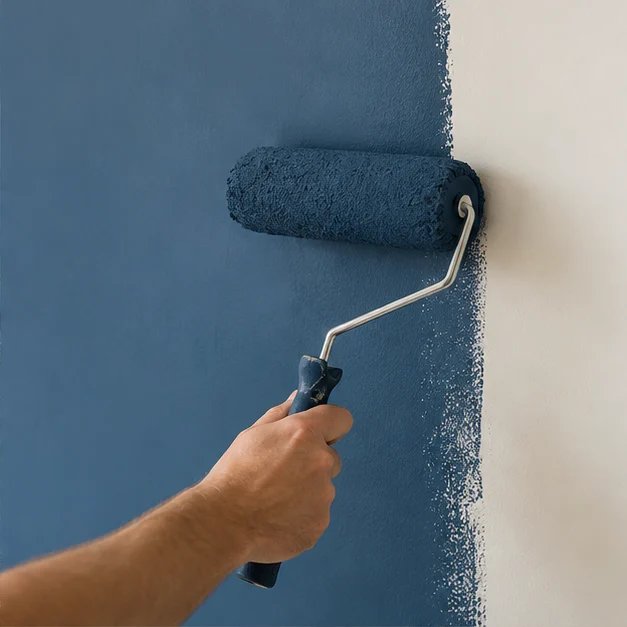
YOUR PROPERTY
Choose finishes around daily contact
Walls beside a frequently used route receive different attention from a sheltered bedroom wall. Door edges and skirting can also show wear more clearly than large flat surfaces. Discuss likely cleaning and contact when selecting finishes, rather than choosing every product solely by its sheen on a sample card.
Suitability depends on the particular surface and product. Ask what preparation is proposed and what care instructions follow application. If your household includes children or pets, explain the practical constraints without expecting a universal promise of an indestructible finish. The brief should anticipate ordinary use while acknowledging that painted surfaces still need appropriate treatment.
PRACTICAL DETAILS
Plan a staircase as an access route
A stair or landing can be visually central and operationally awkward. It may connect bedrooms, a home office and the only bathroom. Before domestic painting work begins, identify which routes must remain usable and when. The plan needs to account for the physical layout, not simply the number of walls.
Agree furniture and belongings to remove, access to higher surfaces and where protection will be needed. Preparation and drying should be considered in the proposed sequence. If a room is available only at particular times, raise this during quotation so its consequences can be discussed before everyone starts making arrangements around the job.
YOUR PROPERTY
Bring contrasting surfaces into one conversation
A wall beside a painted door may look balanced on a design board but different under the room’s own lighting. Compare the wall, ceiling and timber references together. Consider how the same colours appear along the connecting corridor, especially if several doorways can be seen at once.
Painting and decorating does not require every element to have equal visual weight. A quieter trim can support a deeper wall, or a defined door colour can become the main accent. Record which choice belongs to each surface. Clear instructions reduce the risk of an attractive overall idea turning into uncertain decisions at individual edges.
Identify the view that currently draws your attention for the wrong reason.
Note when stairs and landings must stay available to the household.
Describe recurring marks before discussing a replacement colour.

YOUR PROPERTY
Do not confuse damp marks with decorative wear
An isolated scuff and a recurring stain should not be treated as the same issue. Describe whether a mark changes, returns after cleaning or appears beside a window. Those observations help identify what needs assessment before cosmetic preparation. A new shade should not be used to avoid that conversation.
Where mould is involved, discuss mould removal separately from ordinary painting. The affected area and possible moisture source need attention, and suitable next steps depend on what is found. Do not assume an anti-mould label on a paint product means the underlying cause has been addressed or that decorative work alone provides a complete treatment.
PRACTICAL DETAILS
Assess outside work on its own terms
An exterior surface may need a different plan even when it uses a similar colour to the room inside. Access, weather exposure, previous coating condition and material all affect exterior painting. Explain exactly which doors, joinery or other surfaces you want reviewed rather than treating the outside as a final addition.
Highgate’s conservation mapping includes Camden and Haringey boundaries. Identify the authority for your address before arranging exterior changes. Check its map and requirements, then keep the approved surface treatment in the instructions rather than relying on the neighbourhood name.
Colour, edge and light.
A closer look at colour, preparation and finishing details.
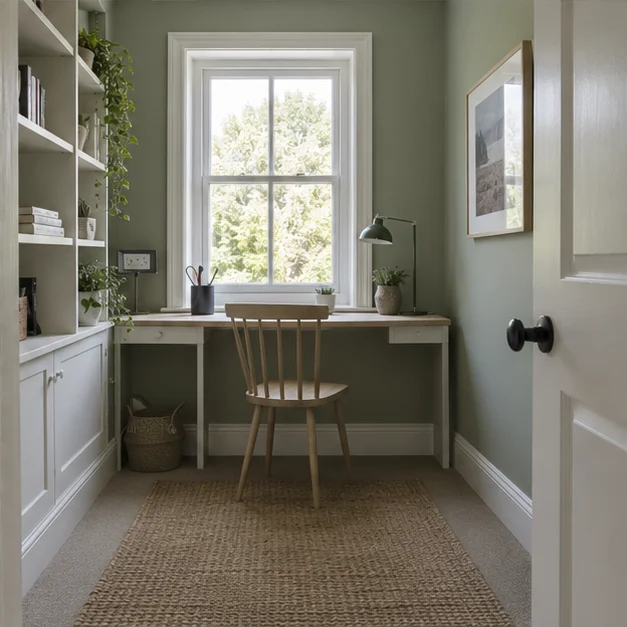
Highgate: questions before decorating.
Can a staircase be quoted without the bedrooms?
Yes. Identify the stair, landing and connecting edges that belong to the scope, along with access needed through other spaces.
What makes a finish suitable for a busy wall?
The surface, selected product and intended cleaning matter. Discuss these together rather than relying only on a sheen description.
Should trim and walls have contrasting colours?
They can, but test the combination in the actual room and decide which part should attract the most attention.
Can a returning stain simply be painted?
Report its history first. Recurrence may indicate a problem that needs investigation before a decorative finish is considered.
Do you price exterior work separately?
The quotation can distinguish it because exterior preparation, suitable materials and access may differ substantially from the indoor work.
How can I explain an awkward corner?
Take a wider photograph and a closer view, then point it out at the survey so the exact junction can be assessed.
Nearby areas
Hampstead · Muswell Hill · Crouch End · Kentish Town
LET’S DISCUSS THE DETAILS
Start with the room you have.
Bring us your Highgate room list and the edges or access issues you want resolved. We will discuss them during a free onsite consultation before proposing the decorating scope.