
LONDON HOMES & WORKSPACES
Painters and Decorators in Hampstead
Redecorating a well-loved home does not have to make it feel unfamiliar. Sometimes the aim is to quieten the background, revive worn surfaces and let the things you already value stand out again. Our painters and decorators in Hampstead approach that brief through your rooms: their existing finishes, their light and the details you want to retain. The starting point is observation, rather than a predetermined colour scheme.
Retained features respected
Palette tested in your rooms
Preparation clearly agreed
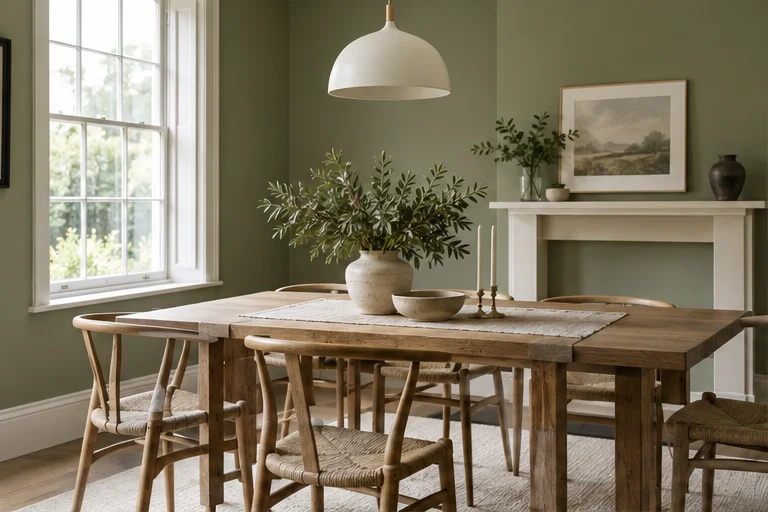
Choose the work your room needs.
Interior painting
Walls, ceilings and finishing details
Domestic painting
A defined scope for your home
Painting and decorating
Colours and surfaces considered together
Exterior painting
Assess painted surfaces outside
Office decorating
Plan around people and equipment
Commercial painting
Discuss access and operating needs
Mould removal
Separate assessment and treatment
YOUR PROPERTY
Describe the atmosphere before naming a shade
Tell us what you want the room to feel like when you walk in. You might want a calmer study, a brighter landing or less contrast around a collection of pictures. That gives a colour conversation direction without forcing an early decision between several similar whites.
Then identify what will remain: flooring, upholstery, fitted furniture and any surfaces excluded from interior painting. A wall sample has to work beside those elements. If a room seems dark, look at the ceiling and lighting as well as the paint; changing one surface cannot promise to solve every reason the space feels dim.

YOUR PROPERTY
Look closely at existing detail
Where your home has cornices, moulded doors or shaped skirting, inspect the relationship between those details and the walls. Softened edges, paint build-up and chipped corners can become more noticeable when adjacent surfaces are renewed. Their preparation needs should be discussed before settling the decorative treatment.
Before changing an exterior finish in Hampstead, check Camden’s current Article 4 map and property schedule, including any separate direction for your address. This is more precise than assuming the whole neighbourhood has one rule. Agree the intended surface treatment only after confirming which controls actually apply.
YOUR PROPERTY
Let the light set the test
Observe proposed colours through the day in the room where they will be used. Place samples away from one another first, then compare the shortlist beside the retained furniture. Too many tightly grouped shades can make differences feel larger or smaller than they do across an entire wall.
For rooms chiefly used in the evening, inspect under your own lamps. Shadows around alcoves or tall furniture may influence the impression as much as direct daylight. A painting and decorating plan should record the final selection and finish for each surface, so the shade you approved does not become an ambiguous description such as warm white.
YOUR PROPERTY
Separate preservation from a complete refresh
A restrained scope may renew the walls while retaining a sound ceiling or existing timber finish. A wider domestic painting job might include all of those elements. Neither approach is automatically preferable; the right boundary follows condition, appearance and your priorities. Mark the exclusions as clearly as the inclusions.
Where one surface meets another that will remain, ask how the edge will be handled and protected. Discuss any furniture that cannot readily move, including access behind it. These points affect the proposed preparation and working arrangement, even when the painted area itself appears straightforward on a room list.
Compare a sample with the furnishings that will return to the room.
Write down exclusions, especially valued details you want to retain.
Check consent questions before committing to an exterior colour change.

YOUR PROPERTY
Consider exposed surfaces independently
If external doors, window joinery or another outside surface need attention, treat them as an assessment of their own. Exposure, access and the condition of previous coatings influence exterior painting work. An interior colour decision does not establish a suitable exterior product or the preparation required outside.
Provide photographs to start the conversation, but expect the quotation to depend on inspection where necessary. Note whether access involves a shared route or another owner’s space. Confirm any permissions and arrangements before scheduling. A considered exterior brief names the actual surfaces, rather than promising to repaint everything visible in a photograph.
YOUR PROPERTY
Leave with a useful record
When reviewing the completed work, return to your original priorities. Has the included wall been renewed, is the retained feature treated as agreed and are the selected finishes recorded correctly? The review is more useful when it follows a specific brief instead of a vague expectation that the whole property should look different.
Store paint references alongside the room schedule. Ask about care after application and note any surfaces intentionally left for a later project. That record makes future decisions easier, whether you plan to complete another room or simply need to understand which finish was used on a door several months earlier.
Colour, edge and light.
A closer look at colour, preparation and finishing details.
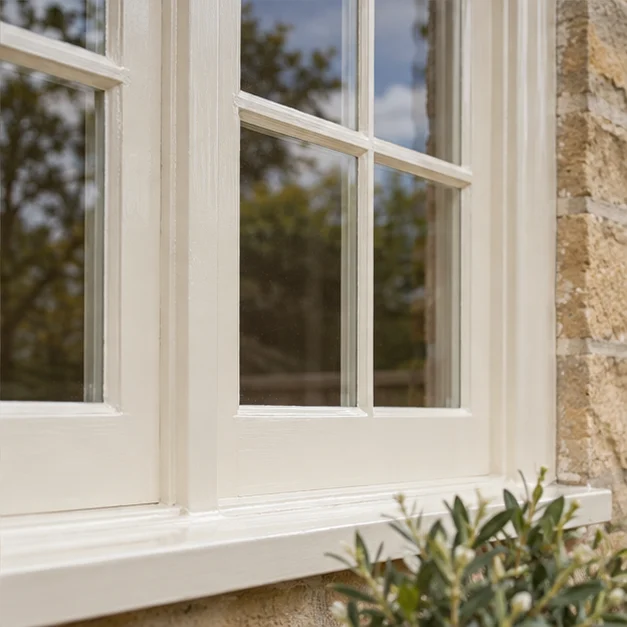
Hampstead: questions before decorating.
Can we keep the current woodwork colour?
Yes, a wall refresh can be scoped around retained woodwork. Check its condition and agree protection and adjoining edges first.
Is a pale colour always better in a dark room?
Not necessarily. Test the shade under the room’s actual lighting and consider how it works with its fixed surfaces.
What should I bring to a consultation?
Room photographs, a list of included surfaces and samples or references you like are useful, alongside any access constraints.
Can exterior and interior work be discussed together?
Yes, but they need distinct assessment. Outside exposure and access may require a different preparation plan and suitable materials.
Who checks restrictions on my property?
Confirm applicable requirements with the relevant authority or building management before commissioning changes that may need consent.
Will every crack be covered by the quote?
Point out visible defects during the survey. The quotation should distinguish agreed preparation from problems requiring other investigation.
Nearby areas
Highgate · Kentish Town · Camden Town · Finchley
LET’S DISCUSS THE DETAILS
Start with the room you have.
Share the Hampstead rooms you have in mind and the details that matter to you. A free onsite consultation can turn those priorities into a practical decorating proposal.