
PAINTING & DECORATING · EAST LONDON
Painters in East London.
A considered refresh.
A painting enquiry in East London might concern a flat, a house or a business interior. The useful details are the rooms, the surfaces, the condition and how the property will be used while the work takes place. Call to discuss those points, check availability for your postcode and arrange the next step towards a quote.

Explain access as clearly as appearance
The room may be simple to describe while entry to the property needs more coordination. Shared entrances, lift arrangements or business procedures should be mentioned before the survey is booked. Identify who can authorise access and who can make decisions about the scope.
Inside the property, separate the surfaces you want refreshed from tasks being handled by another contractor. A new floor, fixed shelving or a known damp issue can change the decorating sequence. The quotation should be based on those practical circumstances, not just on the number of rooms or a photograph that leaves the condition unclear.
Plan the route into a flat
The work inside a flat may be straightforward while the route to it needs more coordination. Tell us about the shared entrance, stairs or lift and whether a building manager arranges access. Mention any rules that affect deliveries, materials or the hours when contractors can enter.
These details should be discussed before the visit, not discovered when somebody arrives with equipment. Keep entry information with the person who is arranging attendance rather than publish it in a general enquiry. If other occupants share a corridor or landing, explain how those spaces must remain usable while your decorating is underway.
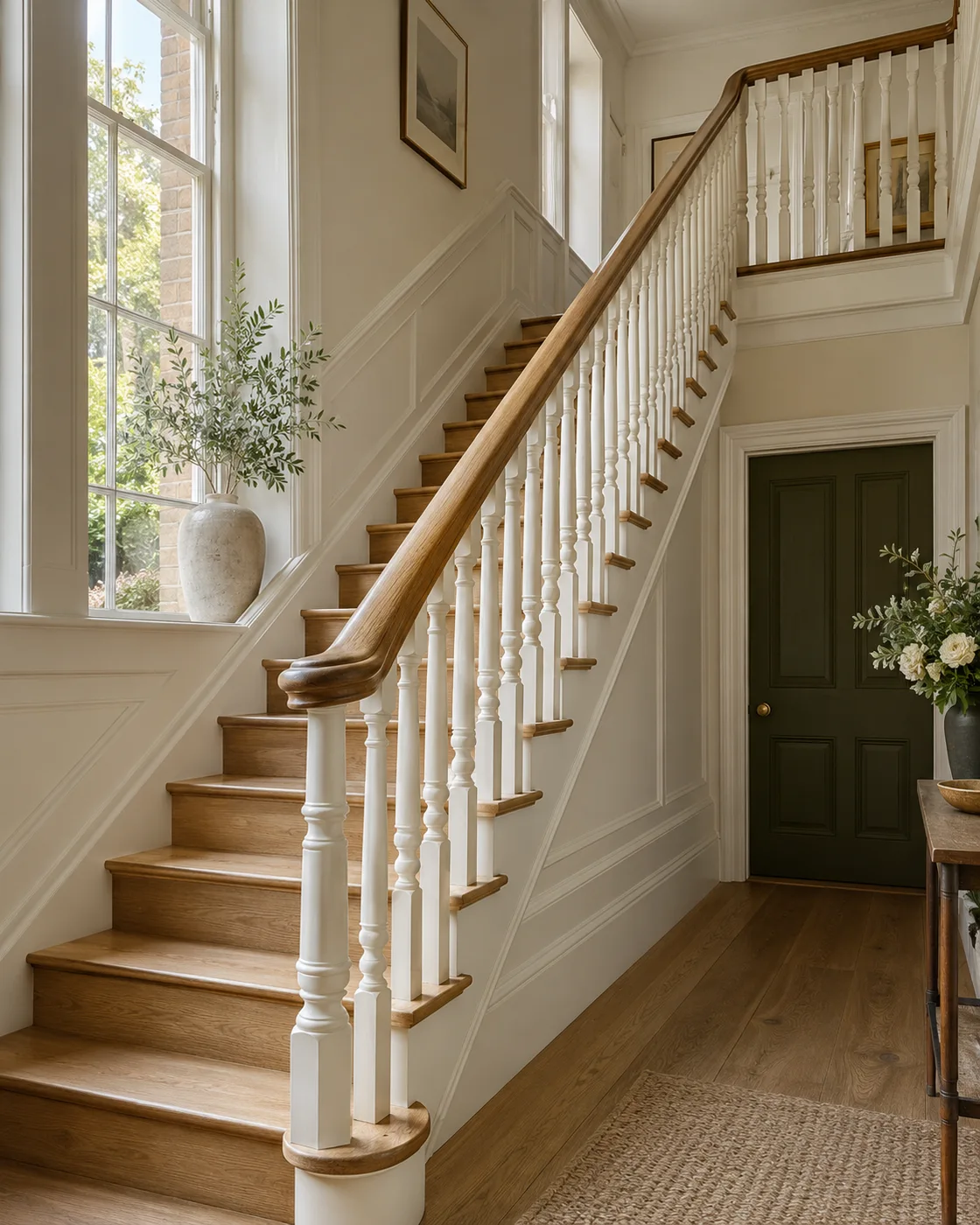
Agree the boundaries in a shared building
Where a landing, corridor or exterior is shared, confirm who can authorise the work before including it in your brief. Your own room and a communal surface may need different decisions, even if they are beside one another. Bring the managing agent or other responsible contact into the discussion where appropriate.
Tell us which routes must remain available and whether the building has contractor access arrangements. Keep those details with the planned scope. It is easier to organise attendance with a clear contact than arrive expecting one occupier to approve work affecting an area used by several households or businesses.
Describe how the premises operate
For a business space, the opening hours are only part of the picture. Tell us about customer entrances, staff routes, deliveries and rooms that are particularly busy at certain times. A schedule should reflect those details rather than treat the whole premises as empty whenever the public-facing area is closed.
Ask about a sequence that suits the scope and the available working arrangements. Preparation, protection and drying also affect when an area can return to use. If the decorating is part of a refit, share the plan and contacts so access is not being promised to several people at once.
Point out earlier patches
A wall that has been repaired in several places may react differently to a new finish from one with an even existing surface. Show the patches and describe what happened if you know. Include fixing holes, damaged corners and changes made by earlier work in your room list.
Ask what preparation is being allowed for and whether any separate repair is needed. It is not helpful to decide the finish without looking at the material it will sit on. A clear quotation should let you understand the work being considered, rather than make you guess whether every visible mark is included.
Mention paint you have already chosen
If you have selected a colour, a product or a particular finish, share the details before the quotation is confirmed. Include whether you have bought the materials or want them considered as part of the job. A colour name alone may not explain what you expect on the wall or the woodwork.
Where the choice is still open, say so. You can establish the surfaces and preparation first, then agree when the final material decision is needed. For a managed property or business, bring any specification or approval requirement into the same conversation so the team is not discovering it after the plan has been settled.
Compare the scope, not only the figure
A useful quote tells you which rooms and surfaces are included, the preparation being allowed for and how materials are handled. Check it against your own list. A price for walls alone is not directly comparable with one covering ceilings, doors, skirting boards and more extensive preparation.
Ask about exclusions and how a change would be discussed if the work develops. Keep the agreed scope with the schedule and access arrangements. If the budget calls for a narrower job, explain the priority areas rather than quietly remove preparation from consideration. A smaller clear project is better than a larger one nobody has properly defined.
Questions before you book.
Do you cover my address in East London?
Call with your postcode and the work you want considered. Appointment availability and the scope are confirmed for your property rather than assumed from a regional heading.
Where should I start if I only need one room painted?
Describe the room and include walls, ceilings and woodwork where required. The survey can then focus on the condition and practical arrangements for that job.
LET’S TALK ABOUT YOUR PROPERTY
A clear plan.
Starts with a call.
Tell us about your postcode, your rooms and the finish you have in mind.
Arrange a free onsite quote.