
LONDON HOMES & WORKSPACES
Painters and Decorators in Richmond
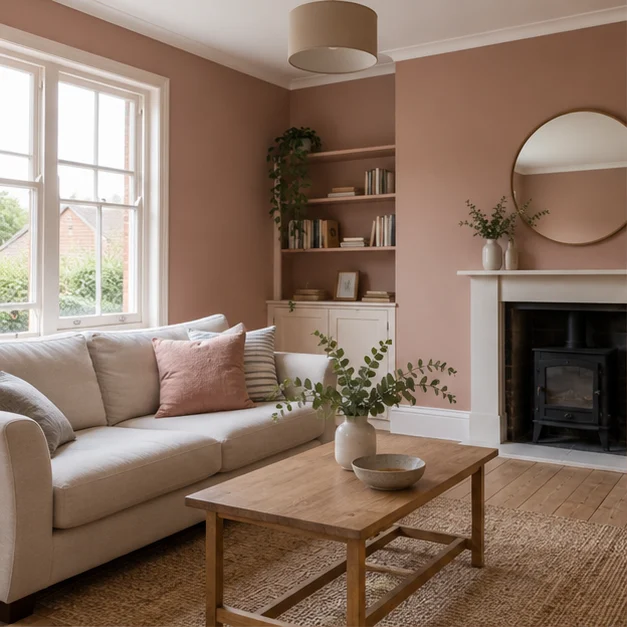
Good decorating often makes the room feel more itself. A carefully chosen background can bring the flooring, furniture and details into a calmer relationship without demanding that everything be replaced. Our painters and decorators in Richmond help you approach a refresh from what you want to keep. We discuss the condition of the surfaces, the views between rooms and the practical work needed before the finished colour becomes the main focus.
Rooms connected visually
Retained finishes respected
Colour tested beside fixed materials
Choose the work your room needs.
Interior painting
Walls, ceilings and finishing details
Domestic painting
A defined scope for your home
Painting and decorating
Colours and surfaces considered together
Exterior painting
Assess painted surfaces outside
Office decorating
Plan around people and equipment
Commercial painting
Discuss access and operating needs
Mould removal
Separate assessment and treatment
YOUR PROPERTY
Begin with the pieces that will stay
Identify the flooring, fitted storage and furnishings you intend to retain. Look at their colours before gathering paint references. A shade chosen beside a favourite chair may work differently near a cabinet or curtain that also dominates the room. The new wall finish needs to live alongside the full collection.
For painting and decorating, describe whether you want a quiet background or a defined contrast. Test a manageable shortlist in the actual space rather than approving from a screen alone. This gives the colour conversation a specific direction while leaving room for the light and existing materials to influence the final choice.

YOUR PROPERTY
Consider the view into adjoining rooms
Stand at the entrance and inspect what appears together: wall, ceiling, door edge and perhaps the finish in the next room. If doors are usually open, those connecting views may matter more than a sample seen close against a single wall. Include them when considering the palette.
An interior painting scope can retain an adjoining room without ignoring it visually. Decide where the new work stops and which door faces are included. A suitable boundary makes a focused project look deliberate, rather than leaving an unresolved junction that seems to require another room to be painted immediately.
YOUR PROPERTY
Assess details without assuming their condition
Where your property has older joinery or decorative plaster, explain which features you value. Inspect chipped edges, previous coating build-up and junctions beside the wall. Their appearance can guide the discussion, but the condition of each element needs assessment rather than an assumption based on style or age.
Richmond Council provides conservation boundary mapping and area statements. Before renewing an outside feature or changing its appearance, check your address and any Article 4 direction rather than relying on the room’s interior brief. Keep the intended material and surface treatment clear when asking the council what requirements apply.
YOUR PROPERTY
Make the preparation visible in the proposal
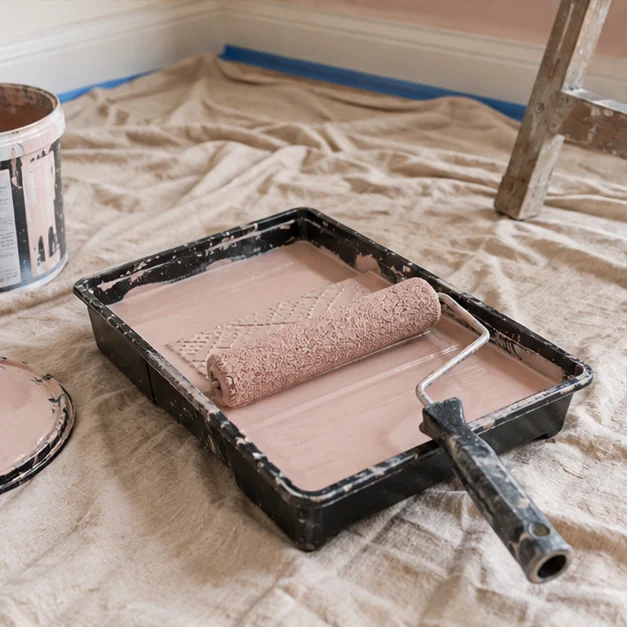
Show fixing holes, rough patches and old repairs during the survey. Their position in the room’s light may influence how noticeable they are. Discuss suitable filling, sanding and other agreed decorative preparation alongside the final shade, so the quote describes more than the application of a new colour.
If a mark returns or suggests an underlying concern, explain its history. Recurring moisture should be clarified before a decorative finish is selected as a solution. Where mould removal is needed, discuss assessment and treatment separately; ordinary decorating should not be presented as an assurance that the source of the problem has been addressed.
Start samples beside the pieces you intend to keep for the long term.
Check the palette through doorways as well as within each room.
Retain product references separately for walls, ceiling and joinery.
YOUR PROPERTY
Work around the occupied home realistically
For domestic painting projects, explain the rooms that must remain accessible and where furniture can move. A heavier item or fitted unit can change the available working space. Agree protection and movement responsibilities before scheduling, including anything needing particular care or access by someone authorised to handle it.
The proposed sequence should account for preparation and drying as well as household routines. If several rooms form a connected project, discuss whether they can be cleared together or require stages. Confirm practical arrangements after assessment rather than making other commitments based on an assumed number of application days.
YOUR PROPERTY
Keep the result easy to understand later
Review the completed surfaces against the agreed brief before belongings return to conceal their edges. Check the preparation areas highlighted at the start and retain the chosen references for walls, ceiling and joinery individually. Similar colours can involve different products, so a single remembered shade name is not a complete record.
If exterior painting is planned later, record that as a separate scope to assess for exposure, access and coating condition. The interior references may influence the colour conversation, but they do not establish the outside materials. Clear records preserve the finished room’s decisions while making the next project easier to define.
Colour, edge and light.
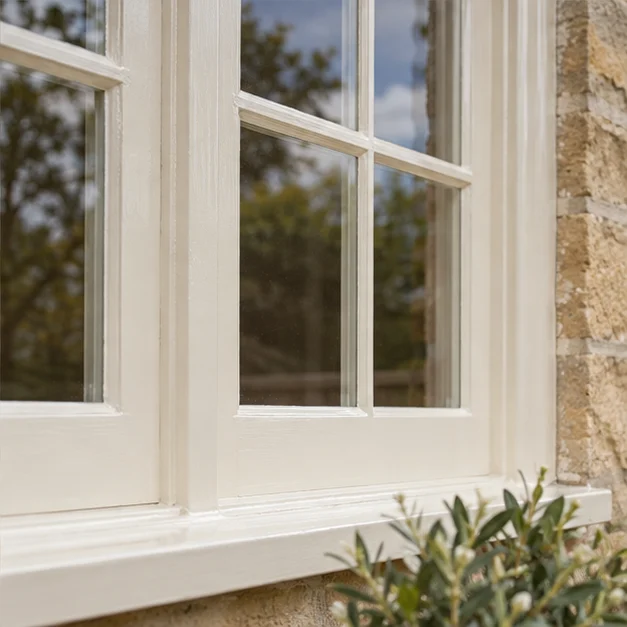
A closer look at colour, preparation and finishing details.
Richmond: questions before decorating.
Can decorating work around existing furniture colours?
Yes, use retained pieces as the starting point for samples, while checking the palette with flooring and other fixed surfaces too.
Do connecting rooms have to match?
They can relate through compatible shades or a shared detail without being identical. Compare the view through normally open doors.
How should older details be included?
Identify the features, their observed condition and what should remain. Agree any preparation individually rather than assuming all details require identical treatment.
Can a returning stain be treated as normal preparation?
Explain its history first. A recurring mark may need investigation before ordinary decorating or any separate mould treatment is considered.
Should I retain product names after the work?
Yes, record products and shades by surface. This supports suitable care and a clearer conversation about future decorating.
Can an outside refresh follow the same indoor scheme?
The colours may relate, but exterior exposure, access and substrates need their own assessment and suitable product decisions.
Nearby areas
Twickenham · Kingston upon Thames · Chiswick · Putney
LET’S DISCUSS THE DETAILS
Start with the room you have.
Show us the Richmond spaces you want to refresh and the finishes that should remain. A free onsite consultation can help connect those priorities with a considered room proposal.