
PAINTING & DECORATING · WEST LONDON
Painters in West London.
A considered refresh.
Good painting decisions begin with what is staying as well as what will change. For a project in West London, describe your existing room, the surfaces you want refreshed and the finish you have in mind. Call with your postcode so we can discuss the scope, check availability and arrange an onsite conversation about the work.
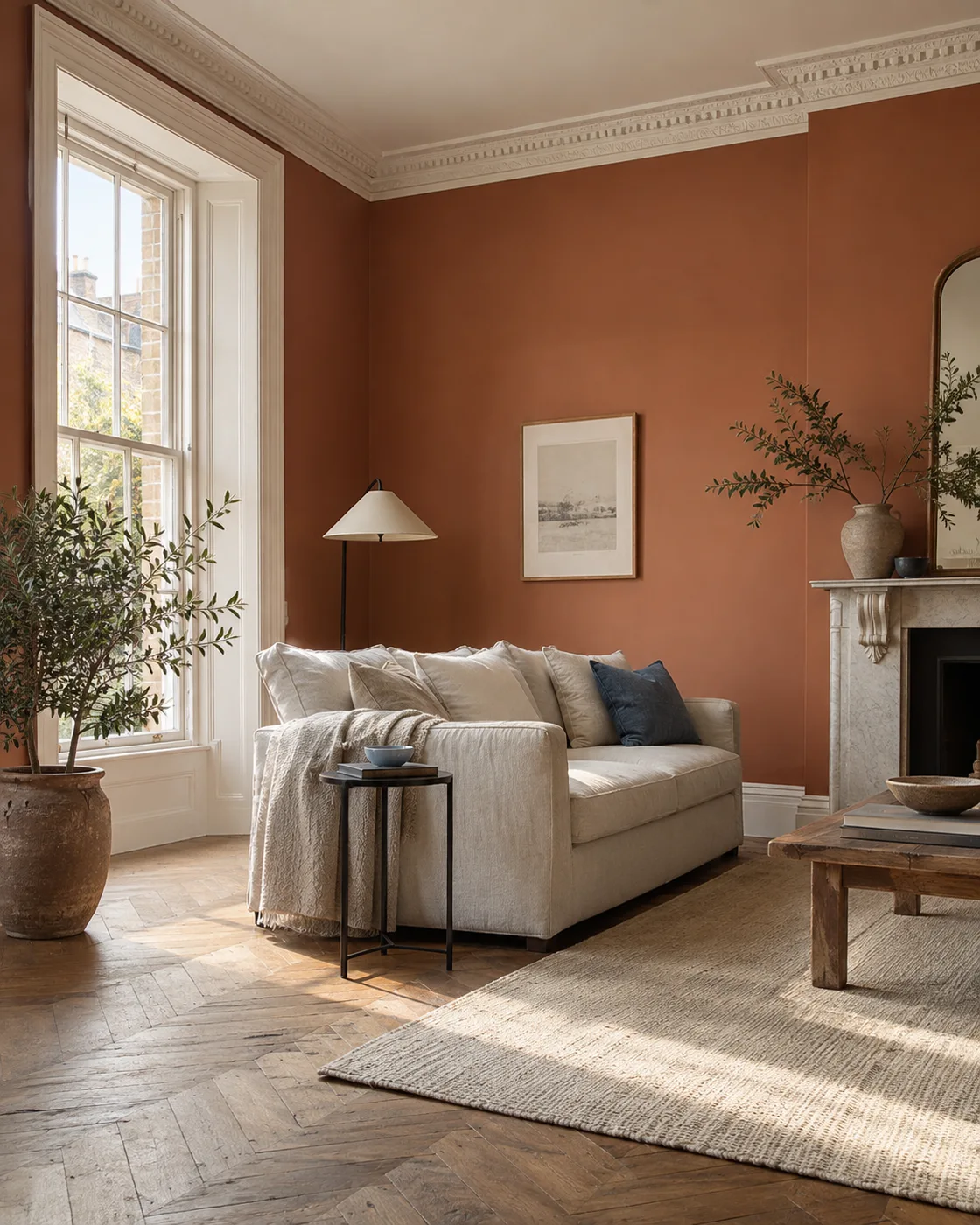
Bring the colour and practical brief together
A reference image can show the feeling you want, but your property has its own light, furniture and surfaces. Choose a small number of references, identify the parts you like and make a separate list for the work that needs to be priced.
For outside painting, keep access and the existing coating alongside the shade. For interiors, include ceilings and woodwork where they form part of the change. Those distinctions make a survey more useful than an instruction to create a particular look without considering the condition and arrangements needed to achieve it.
Look at colour where it will be used
A paint sample belongs in the room, beside the things that are staying. Check it near the floor, the curtains and the largest pieces of furniture rather than judge it against a white background alone. Look again when the daylight changes and when the room’s lamps are on.
You may find that the shade you liked online is not the one that works best on the wall. That is a useful discovery before the decorating starts. Bring a small shortlist instead of a large collection of conflicting references, and decide which surface should carry the stronger colour, if you want one.
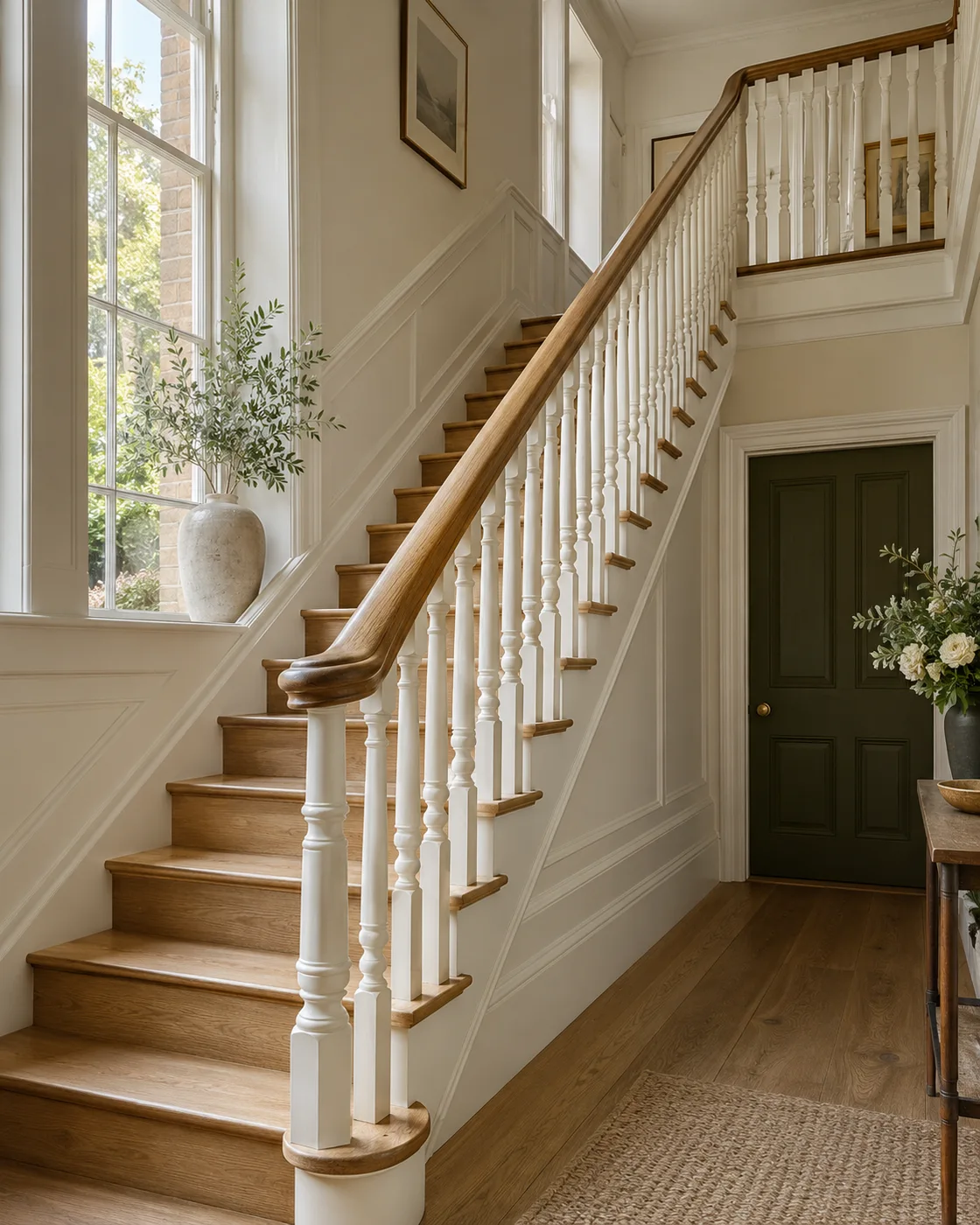
Give the edges of the room some thought
Skirting boards, door frames and other woodwork can either bring a room together or make a fresh wall colour look unfinished. Include the parts you want painted and identify any timber you would prefer to leave as it is. A blanket instruction to do the room may not explain that distinction.
Discuss the finish separately from the wall paint. The appearance and everyday use of a door or frame differ from those of a broad wall surface. If the existing coating is worn or has been repainted many times, show it during the survey so its condition can be considered before the new finish is agreed.
Assess outdoor work on its own terms
Exterior surfaces need a separate look at condition, access and the material being painted. Tell us which elevation, wall or exterior detail you are considering and describe any flaking, staining or earlier repair work. Do not take risks to gather measurements or close-up photographs.
Discuss the equipment and access arrangements needed for the job, and ask what is included in the quotation. Outside work also depends on conditions, so keep the timetable realistic if another appointment follows it. A colour decision is important, but it comes after understanding what can be sensibly prepared and painted.
Mention paint you have already chosen
If you have selected a colour, a product or a particular finish, share the details before the quotation is confirmed. Include whether you have bought the materials or want them considered as part of the job. A colour name alone may not explain what you expect on the wall or the woodwork.
Where the choice is still open, say so. You can establish the surfaces and preparation first, then agree when the final material decision is needed. For a managed property or business, bring any specification or approval requirement into the same conversation so the team is not discovering it after the plan has been settled.
Make the onsite visit useful
The survey is a chance to look at the actual room rather than describe it from memory. Walk through the areas you want changed and point out the edges, marks and earlier repairs you have noticed. If there is a place where paint repeatedly fails, mention the history as well as the current appearance.
Have your priorities to hand. Separate work you need now from changes you might add if the scope allows. Explain any access arrangements and who makes the decisions about colours. That gives the visit a practical purpose: a clearer picture of the work, the condition and the choices still to be made.
Leave time for a proper final look
Look over the agreed surfaces with the team before the job is closed. Check the details you mentioned at the survey and ask about anything you do not understand while the same area is in front of everybody. This is easier than trying to describe a small edge or patch after the room has been put back together.
Ask when furniture and pictures can return, and keep the colour and finish information for your records. The product and conditions matter, so avoid assuming that a single drying rule suits every surface. Those records also help if you decide to refresh an adjoining room later.
Questions before you book.
Do you cover my address in West London?
Call with your postcode and the work you want considered. Appointment availability and the scope are confirmed for your property rather than assumed from a regional heading.
Where should I start if I only need one room painted?
Describe the room and include walls, ceilings and woodwork where required. The survey can then focus on the condition and practical arrangements for that job.
LET’S TALK ABOUT YOUR PROPERTY
A clear plan.
Starts with a call.
Tell us about your postcode, your rooms and the finish you have in mind.
Arrange a free onsite quote.