
PAINTING & DECORATING · SOUTH LONDON
Painters in South London.
A considered refresh.
For painting and decorating in South London, start with the space you want to get back: a bedroom that feels settled, a living room ready for a different colour or a property prepared for a move. Call with your postcode and the surfaces involved. We can check availability and discuss how to make the work practical.
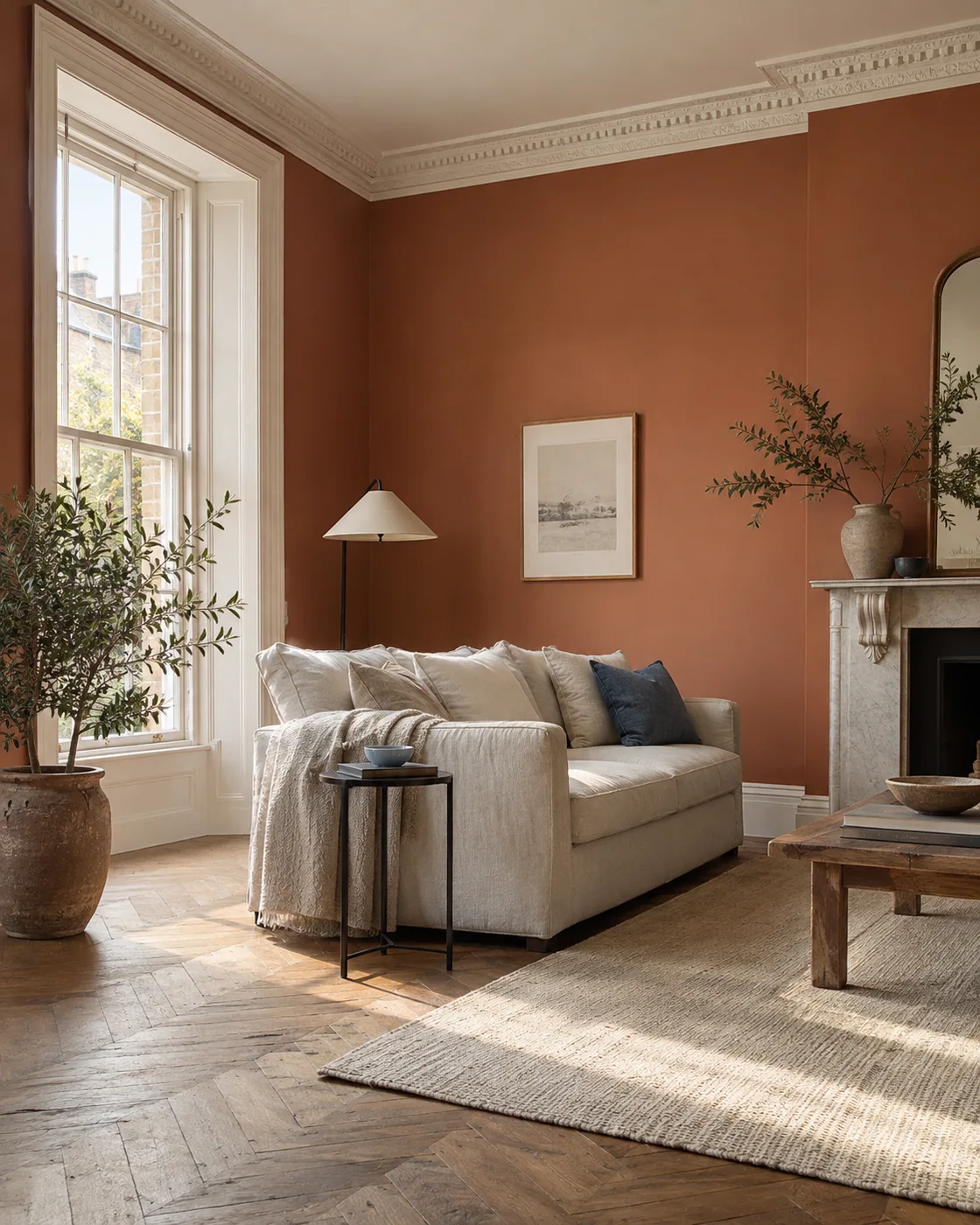
Let the household shape the sequence
An occupied home and an empty property need different arrangements. Explain which rooms you rely on each day, where belongings can go and whether another contractor is involved. The painting plan should fit those facts instead of treat every space as equally available.
If a move or a new tenancy is the reason for decorating, say which dates are fixed and who will provide access. For a smaller refresh, keep optional items separate from the priority work. Bringing these details into the first conversation helps the survey focus on a scope that makes sense for your property.
Keep the household’s routine in view
An occupied home needs a working arrangement that makes sense for the people there. Tell us which rooms are used for sleeping, meals or work, and whether any route must remain clear throughout the day. The order of the rooms can matter as much as the colour choices.
Discuss pets, children and periods when access is difficult. Ask what needs to be moved before work starts and what can be protected in position. A realistic plan allows for preparation and drying as well as painting. It is better to settle that sequence before clearing several rooms at once or booking work around assumptions.
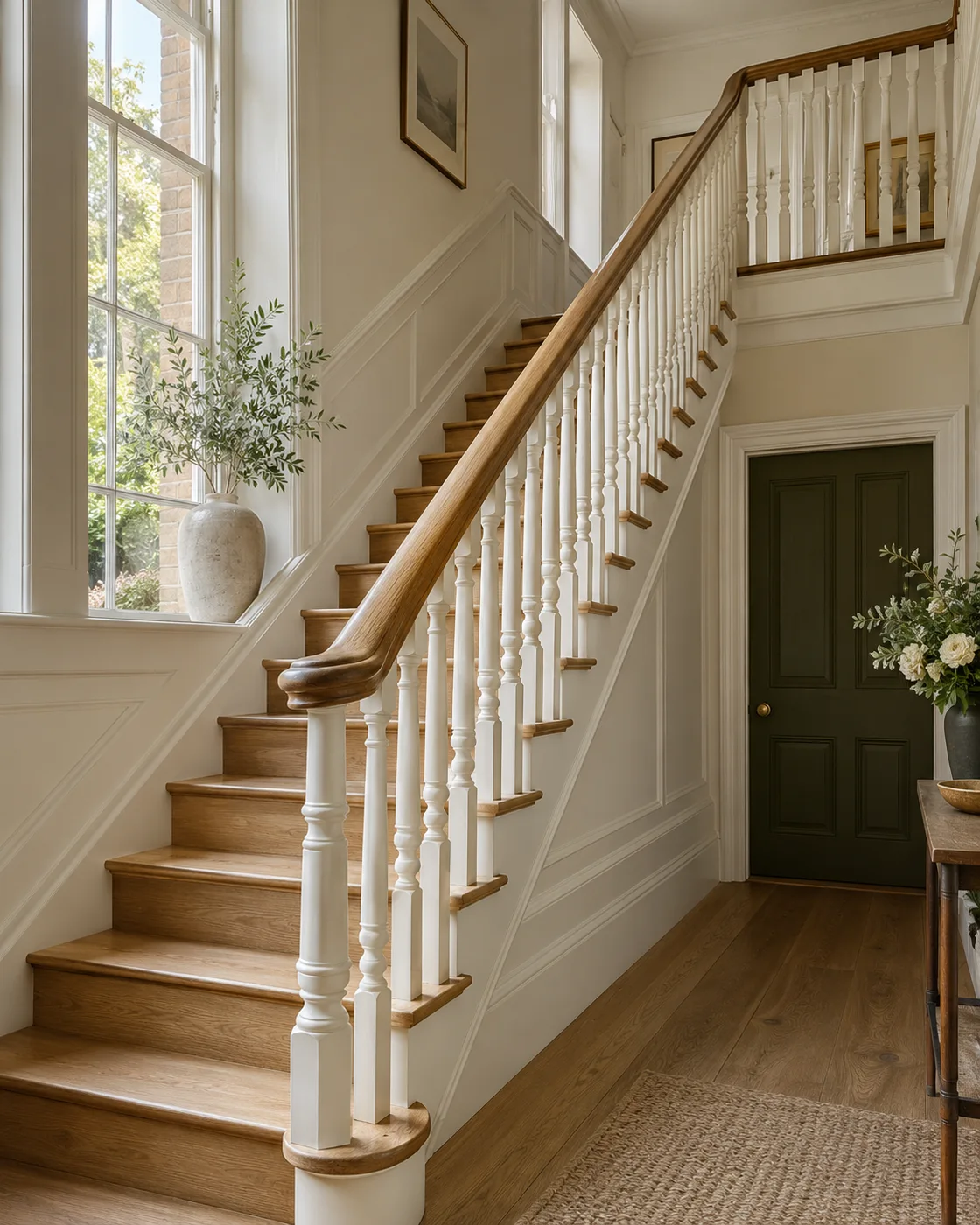
Coordinate painting with a move
An empty room can be easier to approach, but a move introduces its own timetable. Think about keys, deliveries, floor work and the day furniture is expected. Explain which arrangements are fixed and which can still move before agreeing a decorating schedule.
Avoid making several contractors depend on the same unconfirmed date. Painting needs preparation and drying, and the new finish needs consideration when other work follows. Ask when the rooms will be ready for their intended use rather than assume that finishing the application and moving furniture against the walls should happen on the same afternoon.
Agree who moves what
A room often contains more belongings than the initial photograph suggests. Books, pictures, curtains, lamps and smaller items all need somewhere to go while the work is carried out. Decide what you will remove and mention any large furniture that cannot easily be moved.
Do not assume that a wall-mounted fitting or a piece of equipment will be handled without discussion. Explain what needs particular care and ask how the surrounding area can be approached. The aim is to have a clear arrangement before arrival, so the day does not begin with uncertainty about access to the first surface.
Good preparation is easier to agree in advance
Walk close to the surfaces, not just through the doorway. Fixing holes, scuffed corners and previous patches may need attention before the colour changes. Make a short note of them so the survey can focus on the places you care about, rather than only on the number of walls.
Ask which preparation is included in the quotation and what falls outside it. Some conditions may need separate repairs or assessment. Having that conversation early helps you understand the scope and avoids treating every surface as if it were ready for paint. The finish should follow the room’s condition, not ignore it.
Compare the scope, not only the figure
A useful quote tells you which rooms and surfaces are included, the preparation being allowed for and how materials are handled. Check it against your own list. A price for walls alone is not directly comparable with one covering ceilings, doors, skirting boards and more extensive preparation.
Ask about exclusions and how a change would be discussed if the work develops. Keep the agreed scope with the schedule and access arrangements. If the budget calls for a narrower job, explain the priority areas rather than quietly remove preparation from consideration. A smaller clear project is better than a larger one nobody has properly defined.
Leave time for a proper final look
Look over the agreed surfaces with the team before the job is closed. Check the details you mentioned at the survey and ask about anything you do not understand while the same area is in front of everybody. This is easier than trying to describe a small edge or patch after the room has been put back together.
Ask when furniture and pictures can return, and keep the colour and finish information for your records. The product and conditions matter, so avoid assuming that a single drying rule suits every surface. Those records also help if you decide to refresh an adjoining room later.
Questions before you book.
Do you cover my address in South London?
Call with your postcode and the work you want considered. Appointment availability and the scope are confirmed for your property rather than assumed from a regional heading.
Where should I start if I only need one room painted?
Describe the room and include walls, ceilings and woodwork where required. The survey can then focus on the condition and practical arrangements for that job.
LET’S TALK ABOUT YOUR PROPERTY
A clear plan.
Starts with a call.
Tell us about your postcode, your rooms and the finish you have in mind.
Arrange a free onsite quote.